Newcastle, King County
Dryer vent cleaning in Newcastle costs between $105 and $259. $105 is a few feet of duct leaving by a wall you can touch from the lawn. A long run to a roof outlet, a hood two storeys up or a duct packed with a bird's nest brings the price toward $259. We measure the airflow at the hood before and after, so the result is a number and not an impression.
Typical investment
$105–$259
Book an inspection
Book your $99 inspection
$99 plus tax, deducted when you approve the repair
Not sure where to start
Pick what you're seeing at your Newcastle home — we'll point you to the right fix.
What we do
The same crew, the same written quote — for Newcastle homes.
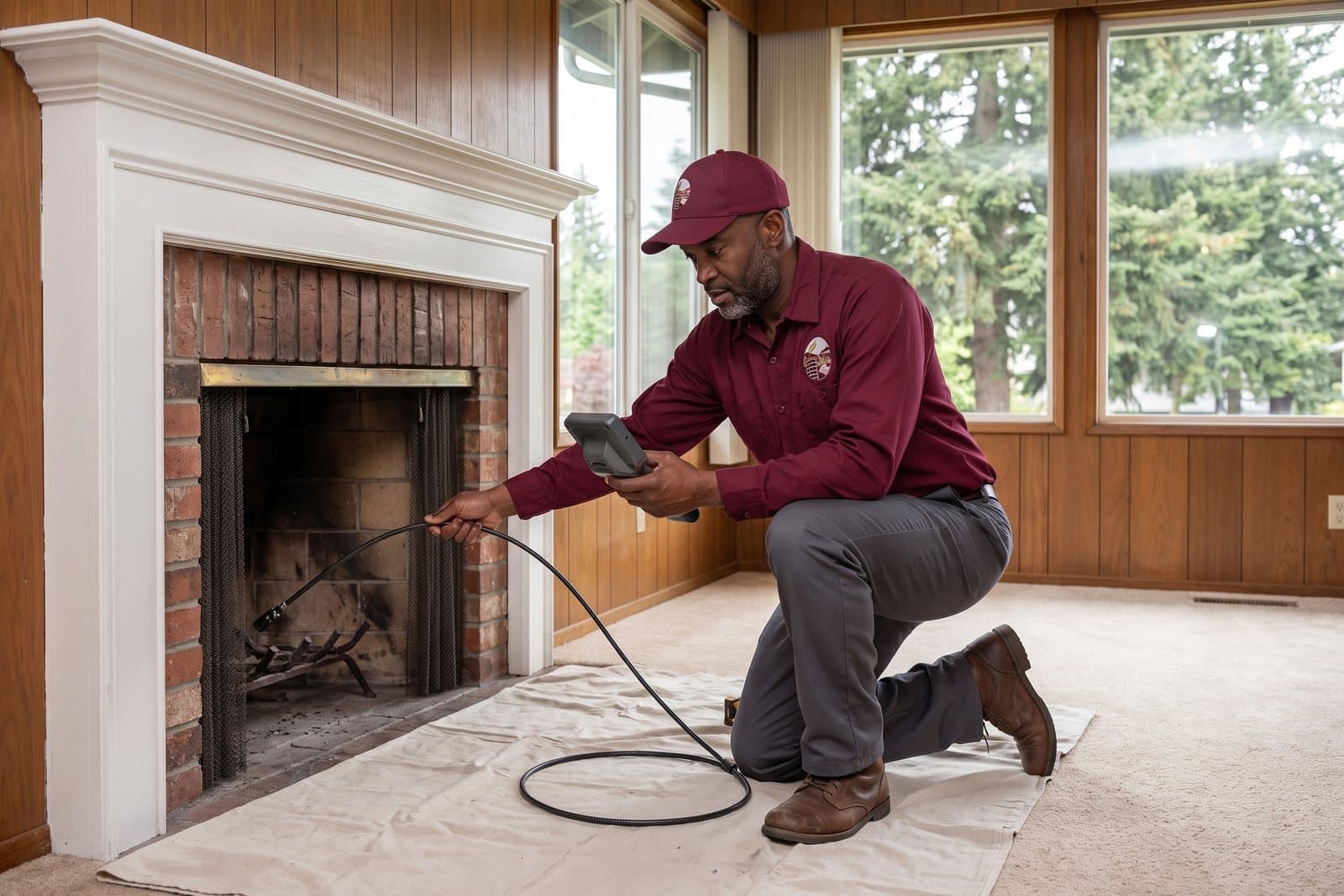
Level 1 review of the accessible parts, stepped up to a Level 2 camera pass when those parts cannot settle the question
Learn more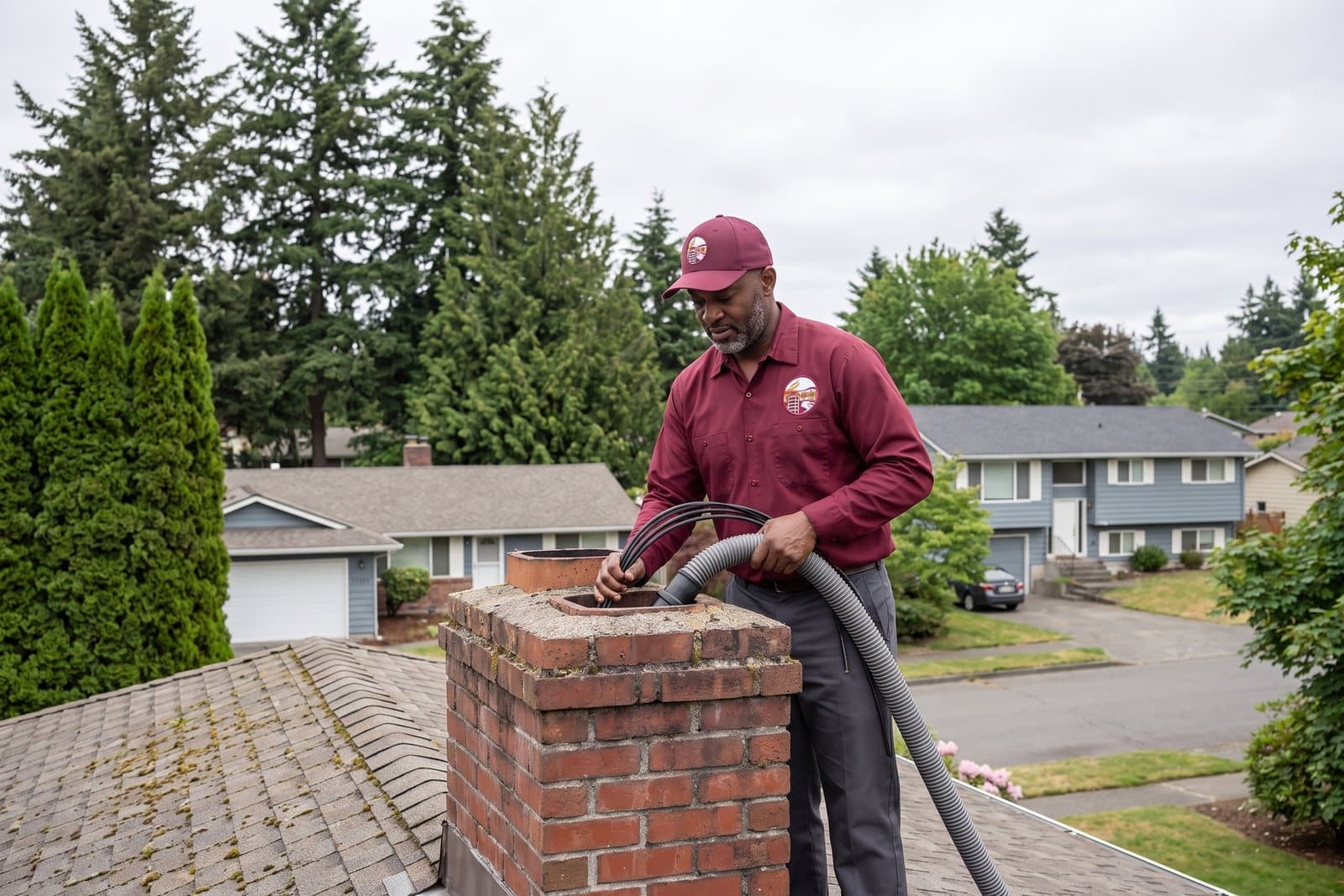
The flue brushed along its full height with heads chosen for its shape and material
Learn more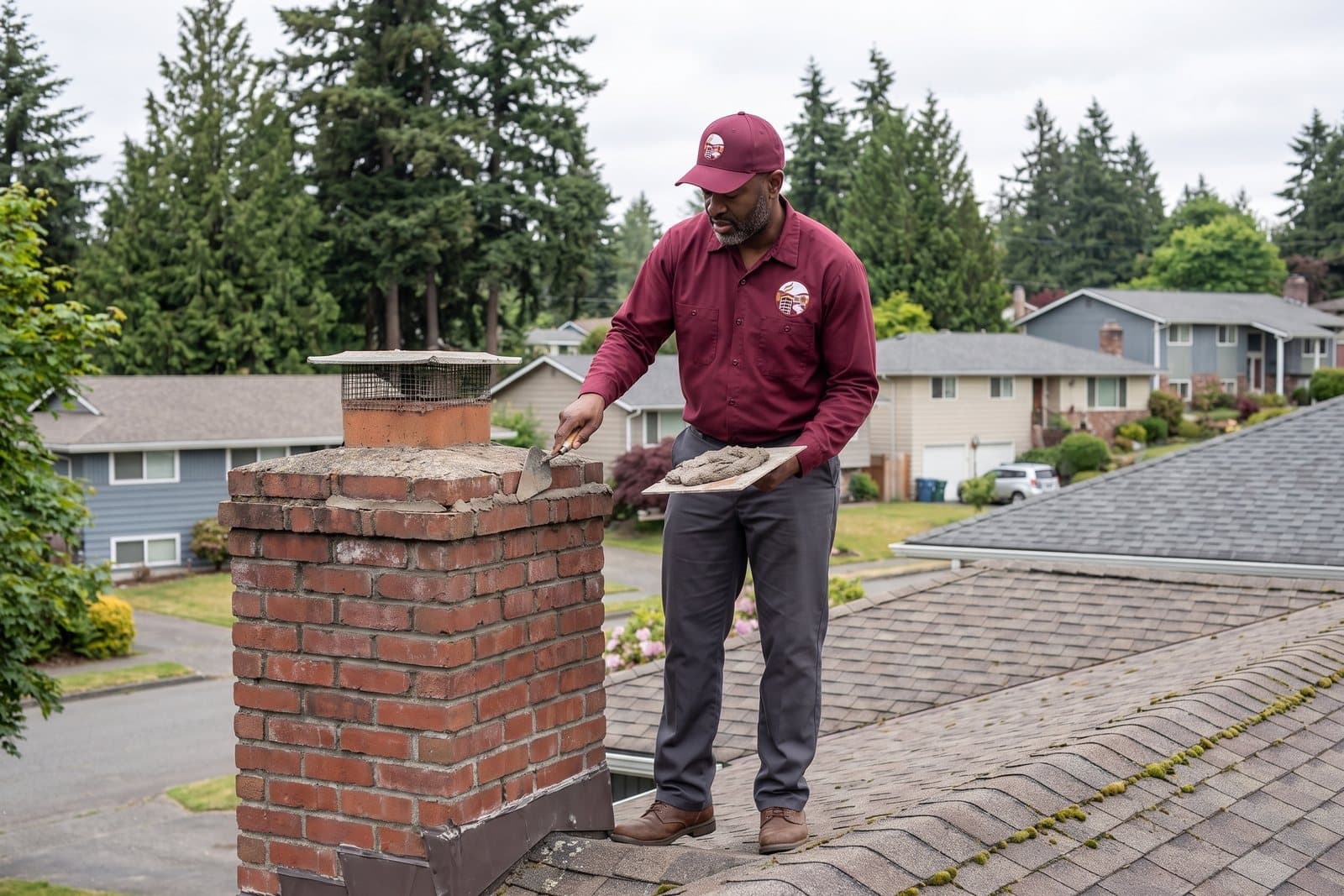
An assessment in photos that tells weathering apart from structural failure
Learn more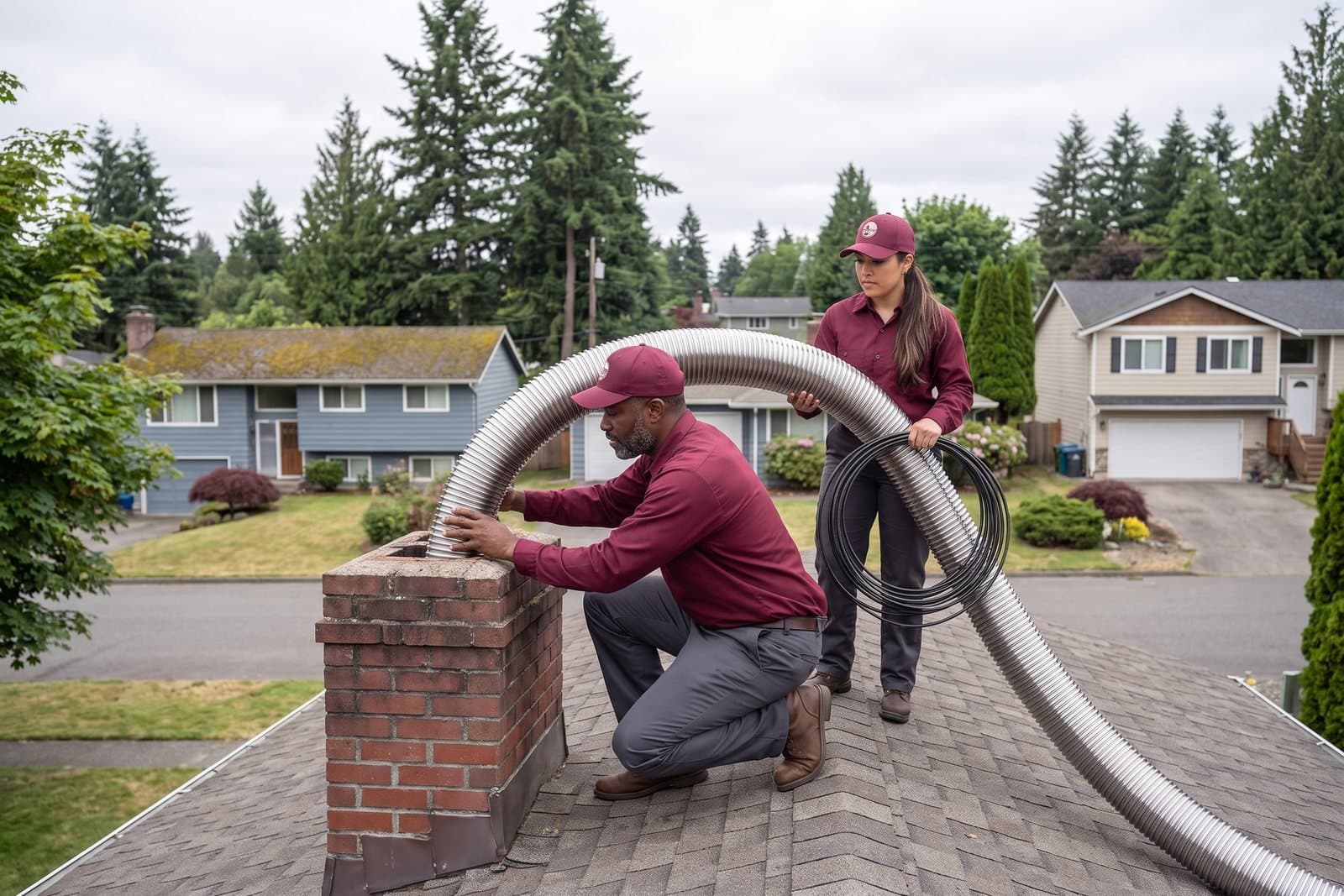
Video scan and measurement of the flue before a liner is specified
Learn more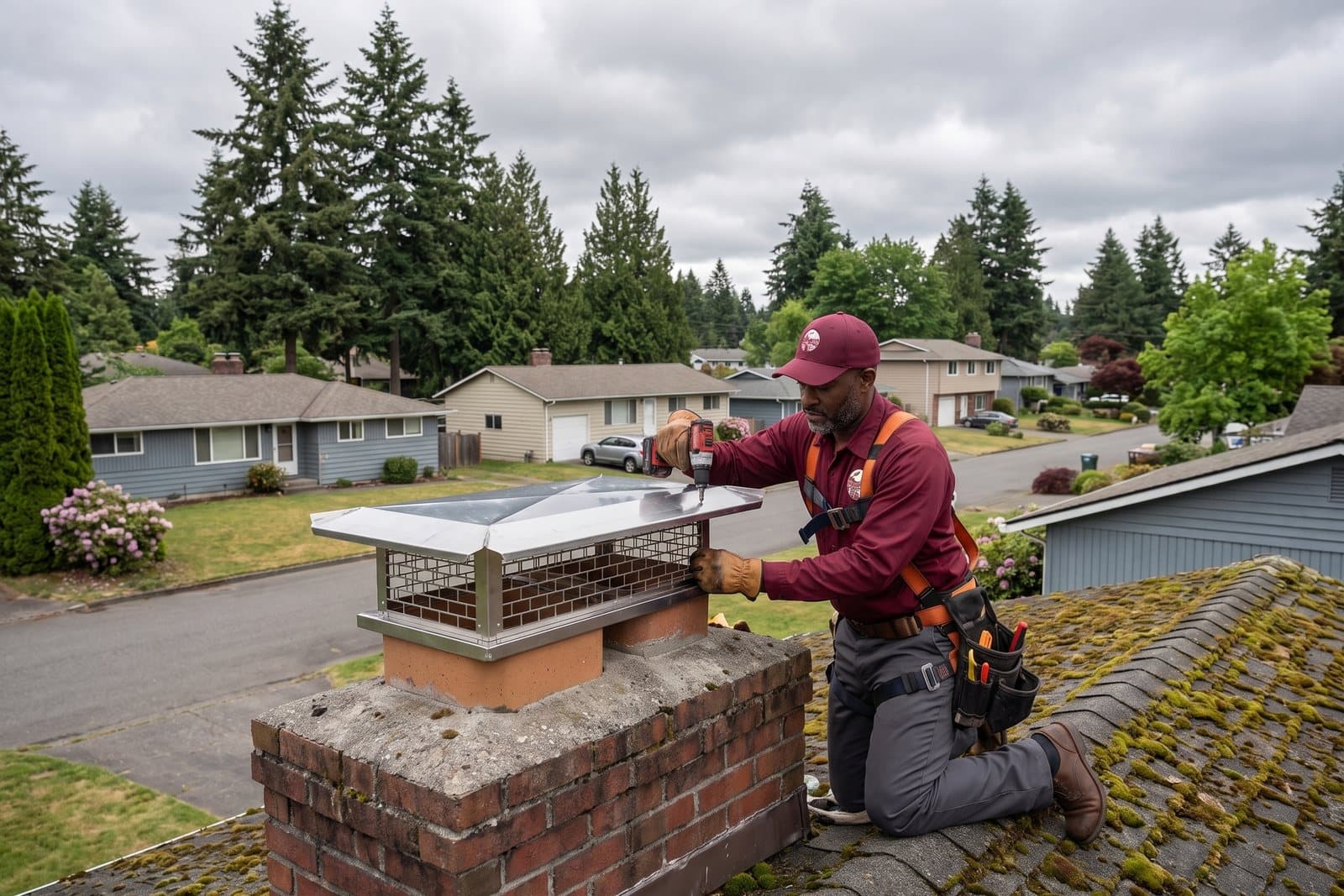
Each flue measured, or the whole crown when one cap will cover several flues
Learn more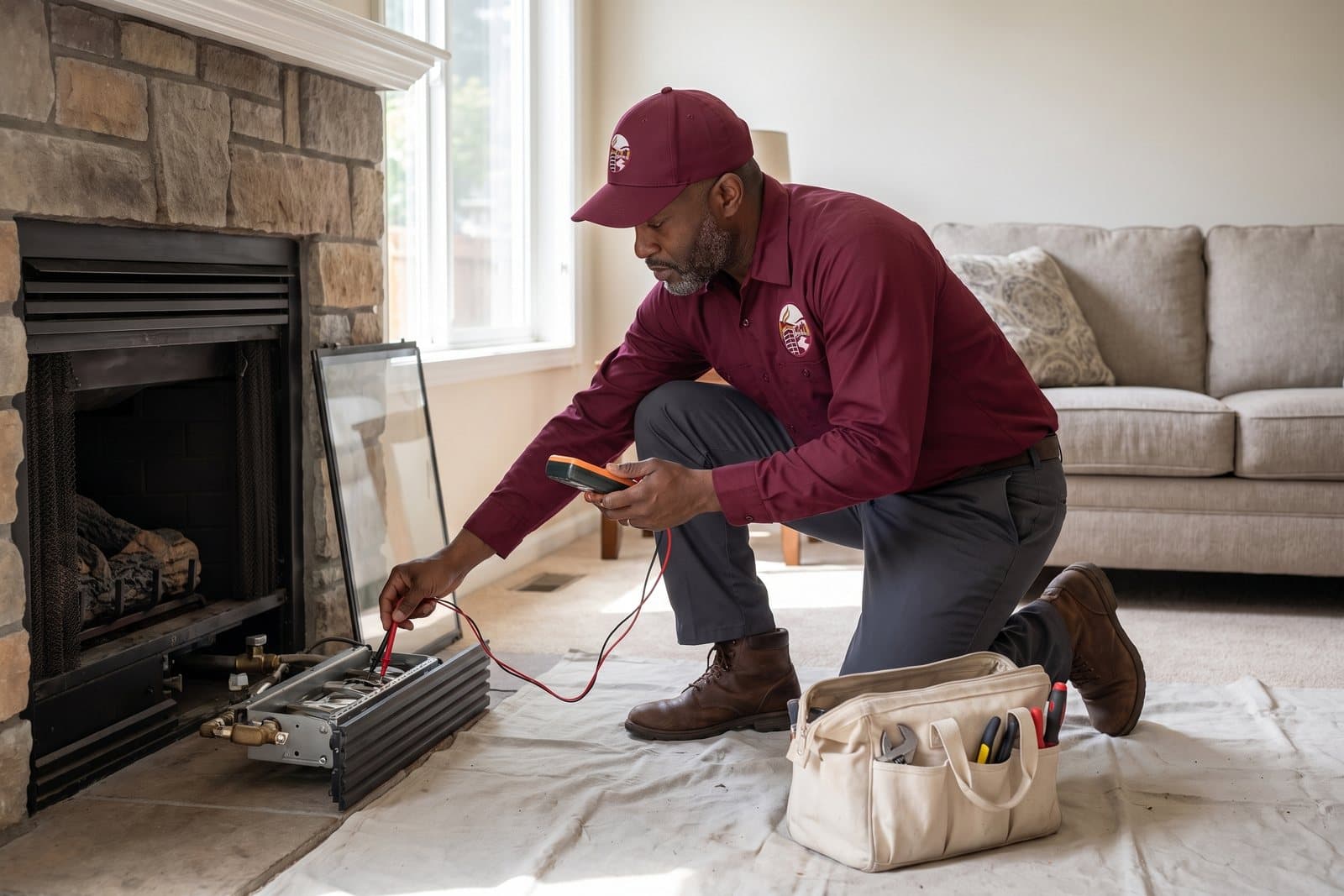
Burner, pilot assembly and igniter cleaned and tested
Learn moreRanges shown for orientation — the exact figure is written up on-site, after the inspection.
Newcastle's housing is split between detached houses and larger buildings. Census estimates count about 57.5 percent of units as single-family detached and place 1,263 units in large buildings of 50-plus. This page concerns the first group and townhome-style units with their own duct to the outside. Close to half of the city's homes were built after 2000, and when a newer plan sets the washer and dryer on the bedroom floor or deep inside the house, many feet of duct separate the appliance from daylight.
Dryer ducts usually leave a house by the nearest outside wall, and on a Newcastle hillside the nearest wall may be the tall one. The hazard annex prepared for the city puts about 30 percent of its structures in an erosion hazard area and counts over half of its land area as constrained by critical areas such as steep slopes. WeatherSpark's relief figure is 1,198 feet within two miles.
A hood that would be at knee height on flat ground can end up twenty feet above a planting bed on the low side of the house. Nobody checks it there, and a flap stuck open or shut goes unnoticed for years. We bring the ladders or pole tools the wall calls for and photograph the hood up close, because a blockage left at the outside end undoes the rest of the cleaning.
Every dryer vent cleaning we do in Newcastle includes:
Smoke coming back into the room, or a smell that won't go? Book the inspection first.
Book nowDistance is the enemy of a dryer duct. Washington's residential code, at M1502, limits a dryer exhaust to 35 feet, reduced for each bend, and requires smooth metal duct four inches across that ends outdoors; booster fans are not allowed in a home. Lint settles wherever the air slows, which means at elbows and in long horizontal stretches. Federal fire statisticians at USFA count about 2,900 dwellings a year where a clothes dryer started the blaze; 34 percent trace to a machine or duct nobody cleaned, and January is the worst month.
Lint that reaches a roof outlet meets Newcastle's weather. WeatherSpark counts roughly 17 wet days in a typical November, and the hazard annex describes many homes as bordering densely wooded natural areas. Damp lint sticks to the outlet's screen or damper, needles land on top of it, and the two set into a felt that air cannot pass.
Oregon State University Extension makes the general point about roofs in this region: moss is inevitable where moisture and shade combine, and it holds debris in place. A dryer outlet under a tree line is a small version of that. During a cleaning we go to the roof when it is safe, strip the outlet by hand and confirm that the damper swings on its own weight.
We find where the duct exits, read the airflow there and note how the run is routed.
The appliance is pulled forward, the transition hose removed and the lint trap housing vacuumed.
Rods spin a brush head through every foot of pipe, and suction at the far end swallows the lint.
The dryer is reconnected with a proper clamp, run on heat, and the airflow at the hood is read again.
What this work is quoted at for Newcastle homes — the exact figure comes from the $99 on-site inspection, credited toward the work.
| Service | Price in Newcastle | What that covers |
|---|---|---|
| Dryer Vent Cleaning | $105–$259 | Full run cleaned; roof or upper-floor terminations at the top |
| Chimney Sweep | $189–$459 | Full flue swept, Level 1 inspection included |
| Chimney Inspection | $99 plus tax | Level 1 visual; Level 2 adds a full camera scan |
| Chimney Relining | From $1,900 | Full-length stainless liner, sized to the appliance |
| Chimney Repair | From $375 | Masonry repair — brick and mortar, scoped after diagnosis |
Ranges are what these jobs are quoted at in Newcastle. The exact figure is set on site after a $99 inspection (credited toward the job if you go ahead), and you approve it before any work starts.
Newcastle is a 4.2-square-mile hillside city beside Cougar Mountain, incorporated in 1994, with homes with a median build year of 1999, close to half of them built since 2000. We work every part of it — the Coal Creek basin, the May Creek basin included.
NewcastleKing County, WA · 47.530, -122.155
Before and after
Illustrations of what each repair changes on a typical chimney — not photos of a specific job.
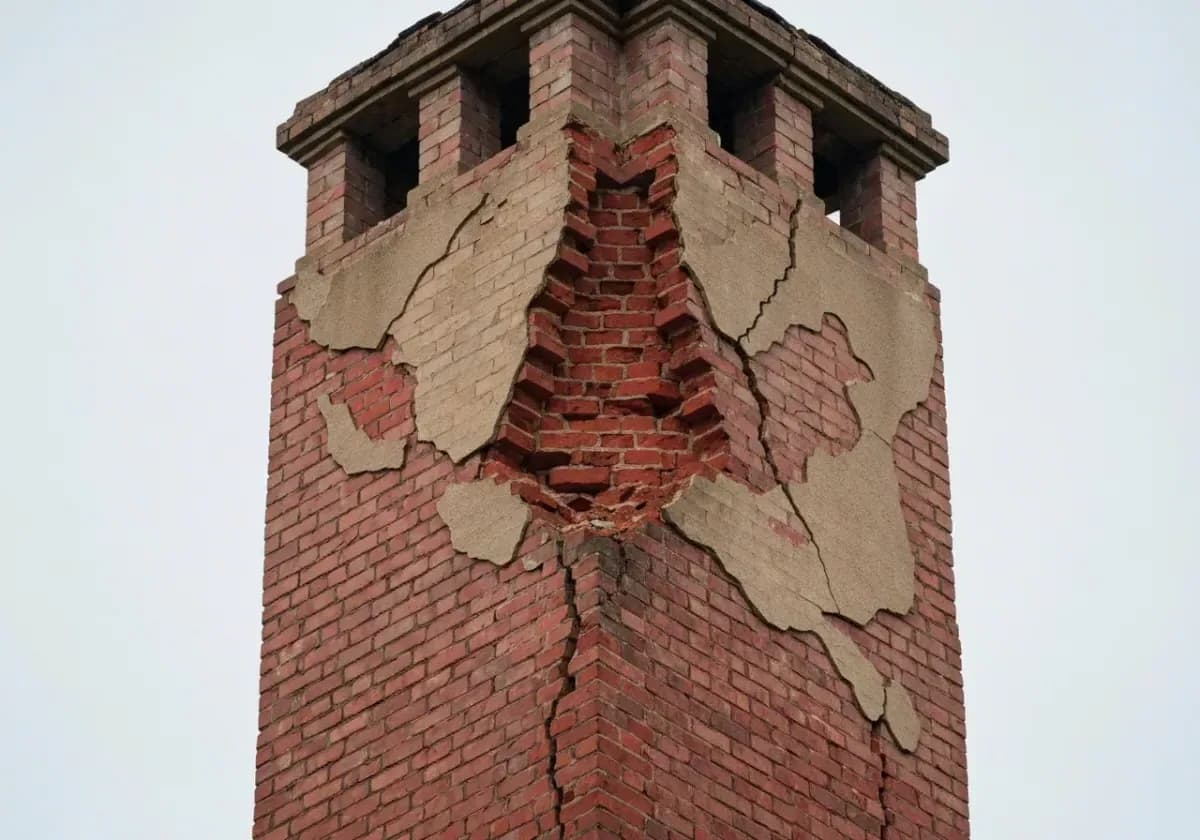 Before
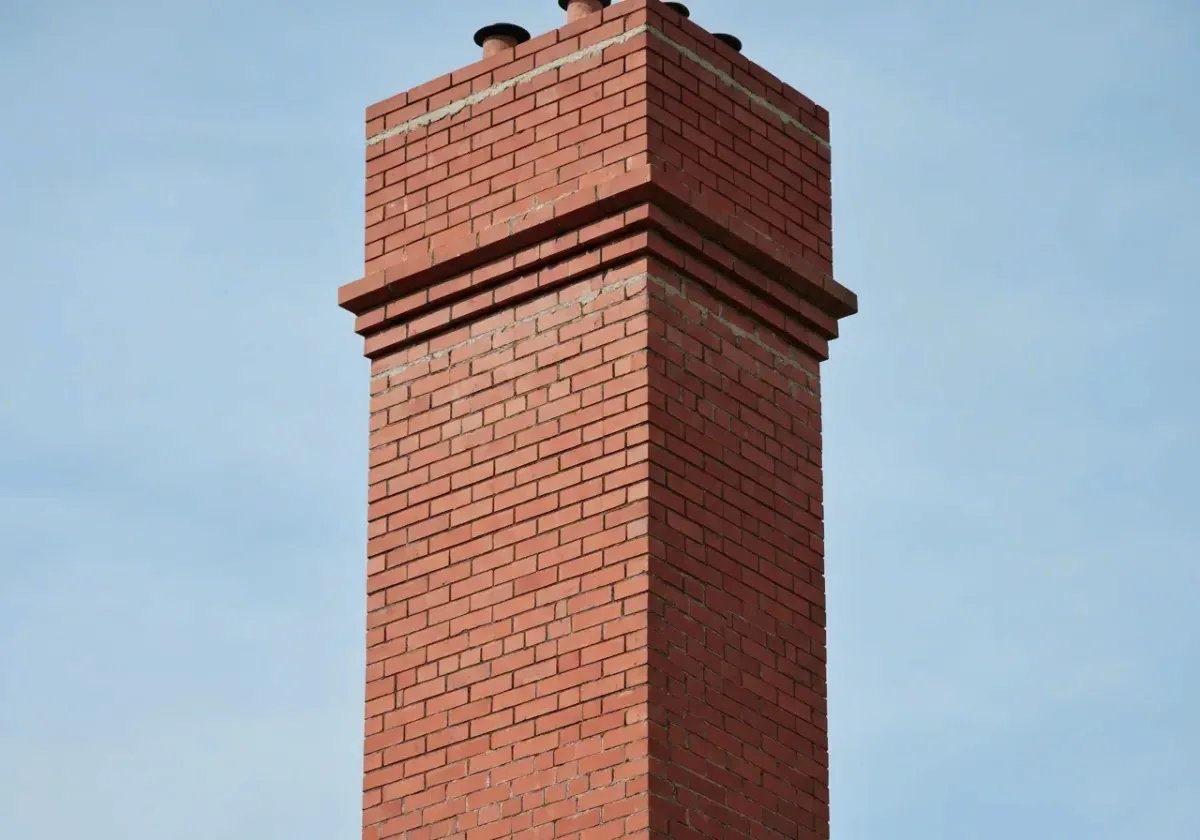 After
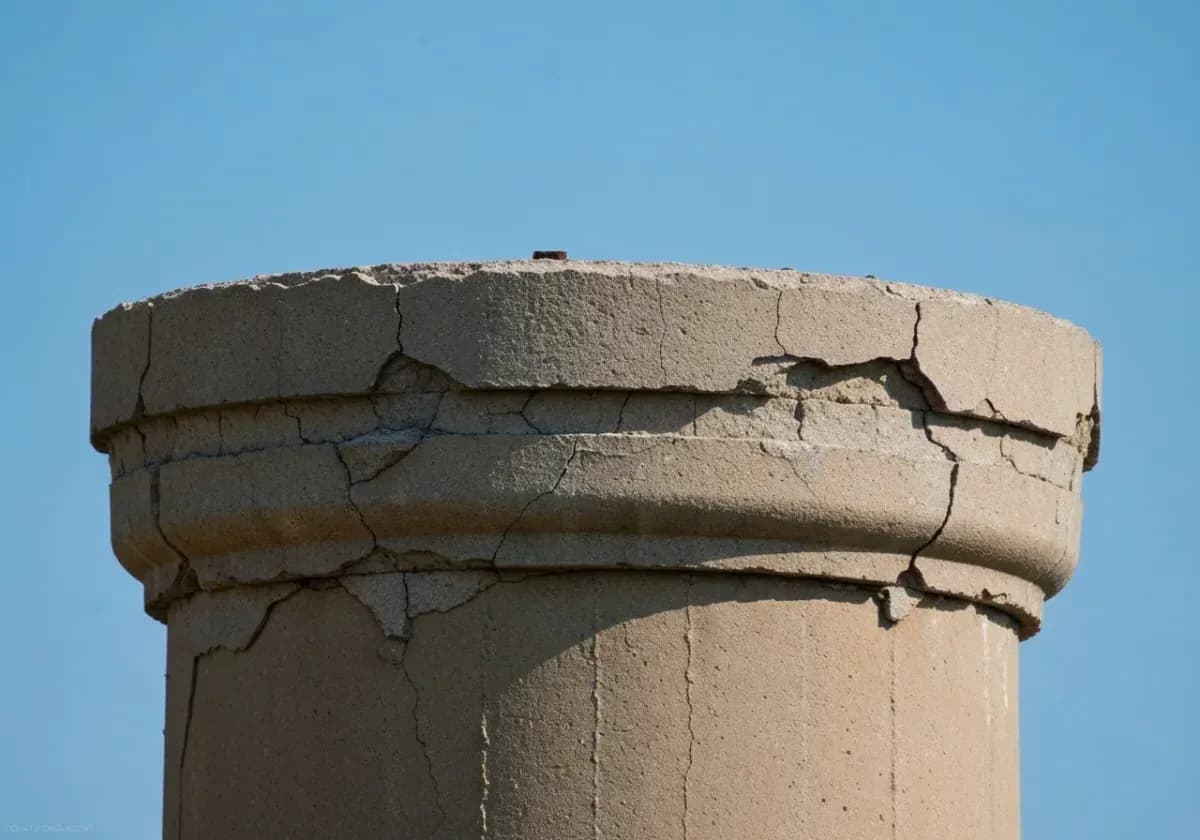 Before
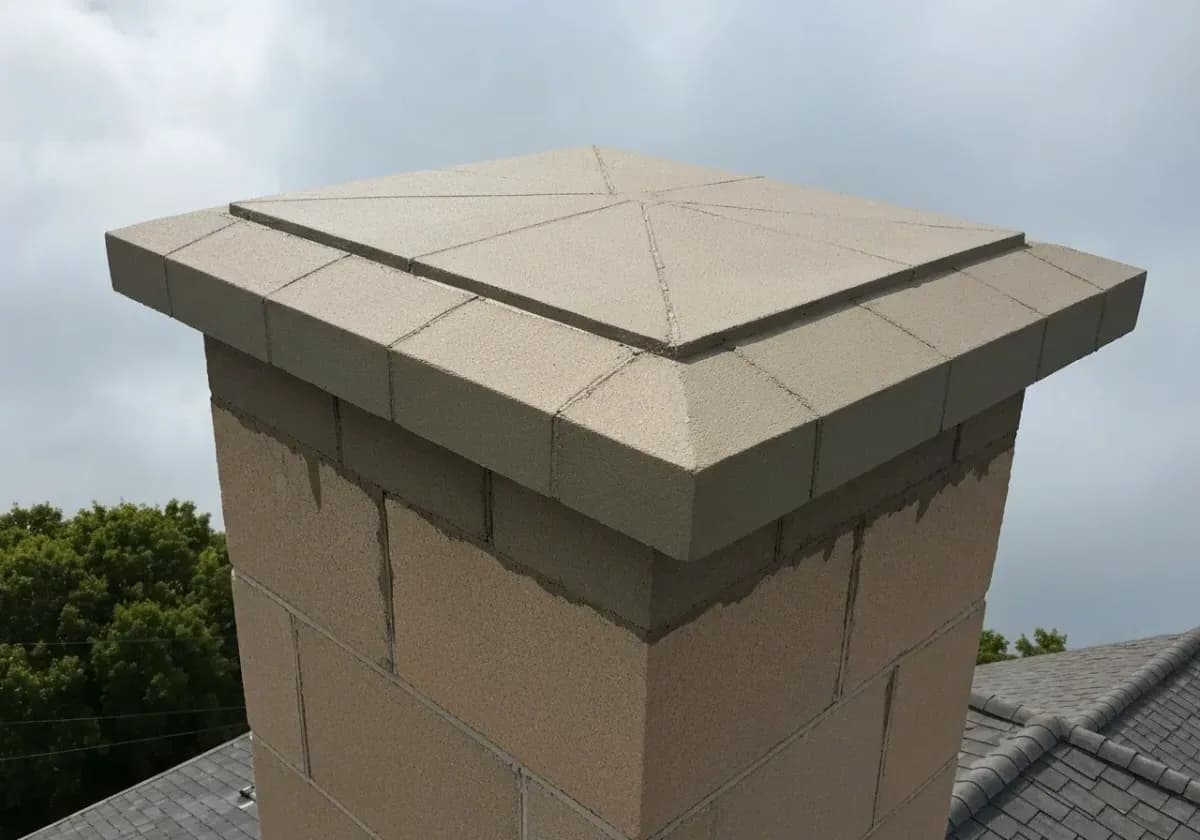 After
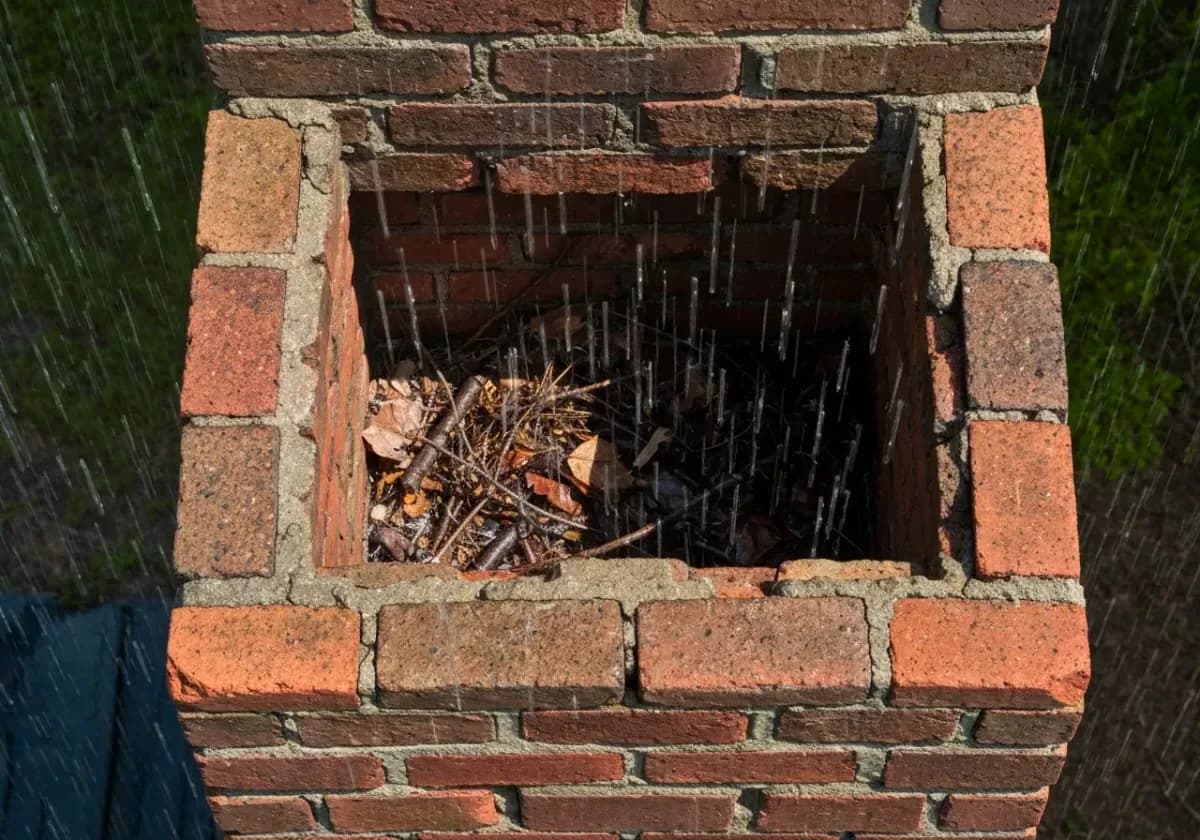 Before
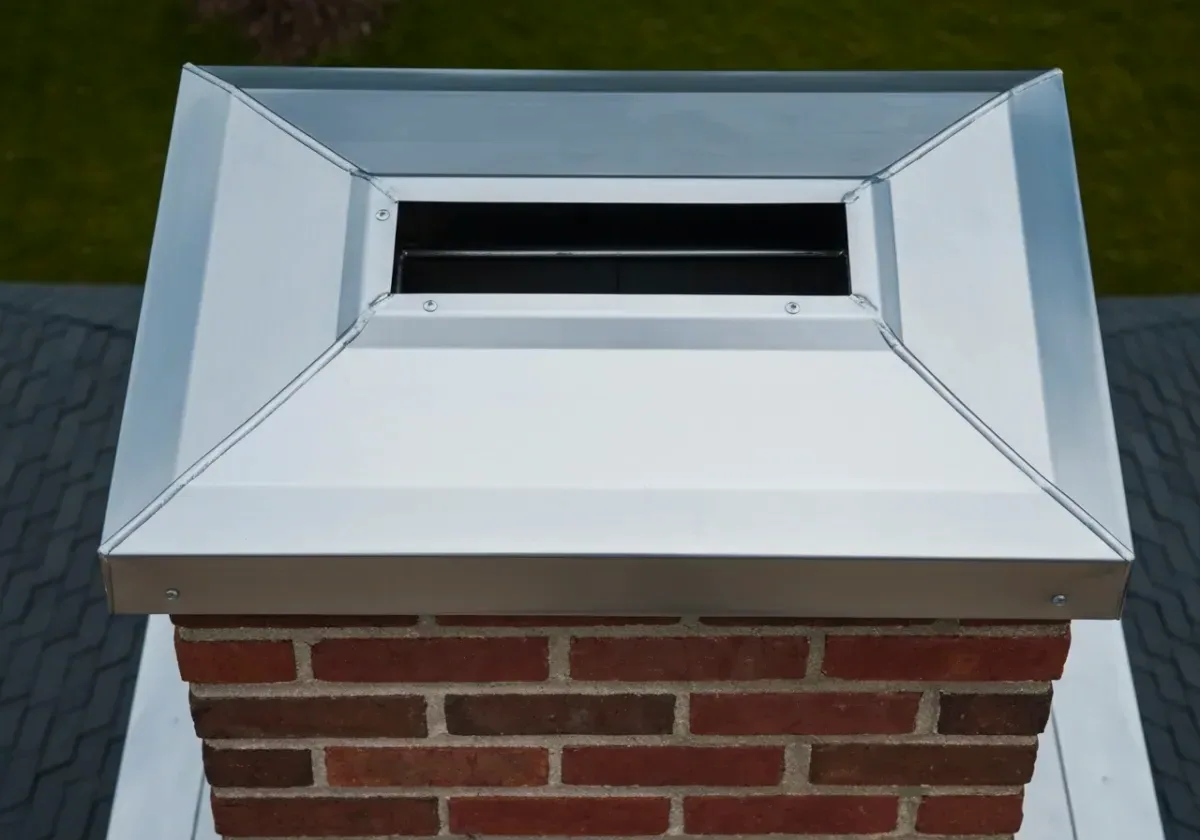 After

Four steps, each one on paper — so you always know what happens next.
Choose a genuine opening on the crew's calendar. Confirmation is immediate.
Liner, crown, cap, flashing and masonry examined in order — each finding photographed.
One document, plain numbers, covering only the work your chimney genuinely needs.
The repair is completed, then handed over with before-and-after photos of every item.
Yearly, for the typical home. Daily loads, shedding pets or a lengthy duct call for more; a drop in drying performance is the practical signal.
It is allowed, but a roof outlet is harder to keep clear than a wall hood, and lint that rises tends to settle back when the dryer stops. Roof-vented dryers benefit most from a yearly cleaning.
For a unit with its own duct to the outside, yes. Shared or common exhaust systems belong to the building and are arranged through its management.
A $99 on-site inspection, a written quote before any work, and photos of every item we touch.