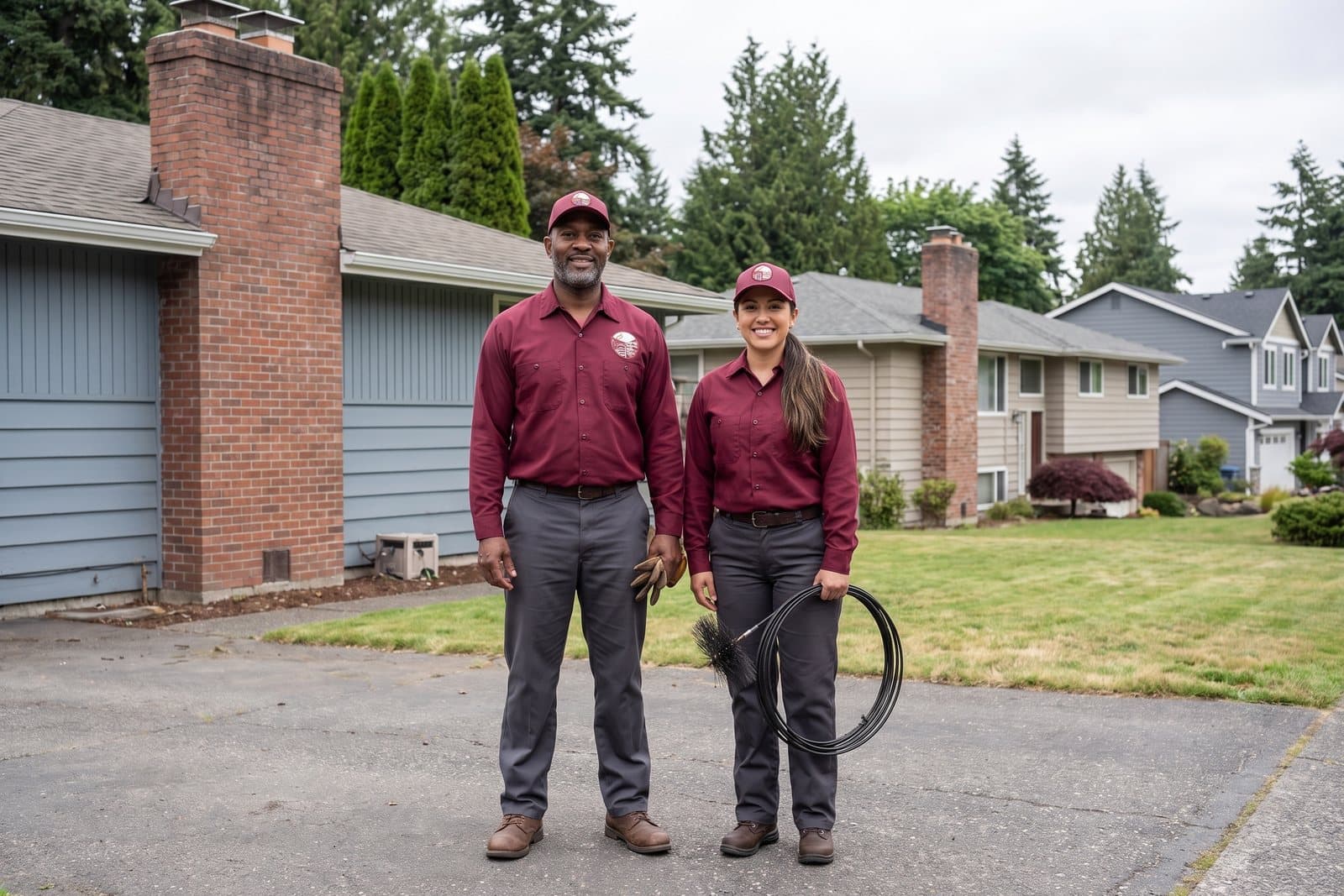
Renton & South King County, WA
Creosote removal in Renton targets hardened, glazed creosote that sweeping brushes cannot shift, with a chemical treatment followed by rotary tools.
Our price
From $245
Book an inspection
Book your $99 inspection
$99 plus tax, deducted when you approve the repair
Not sure where to start
Pick what you're seeing — we'll point you to the right fix.
What we do
Sweeping, inspection, relining and masonry — one local crew for the whole chimney.
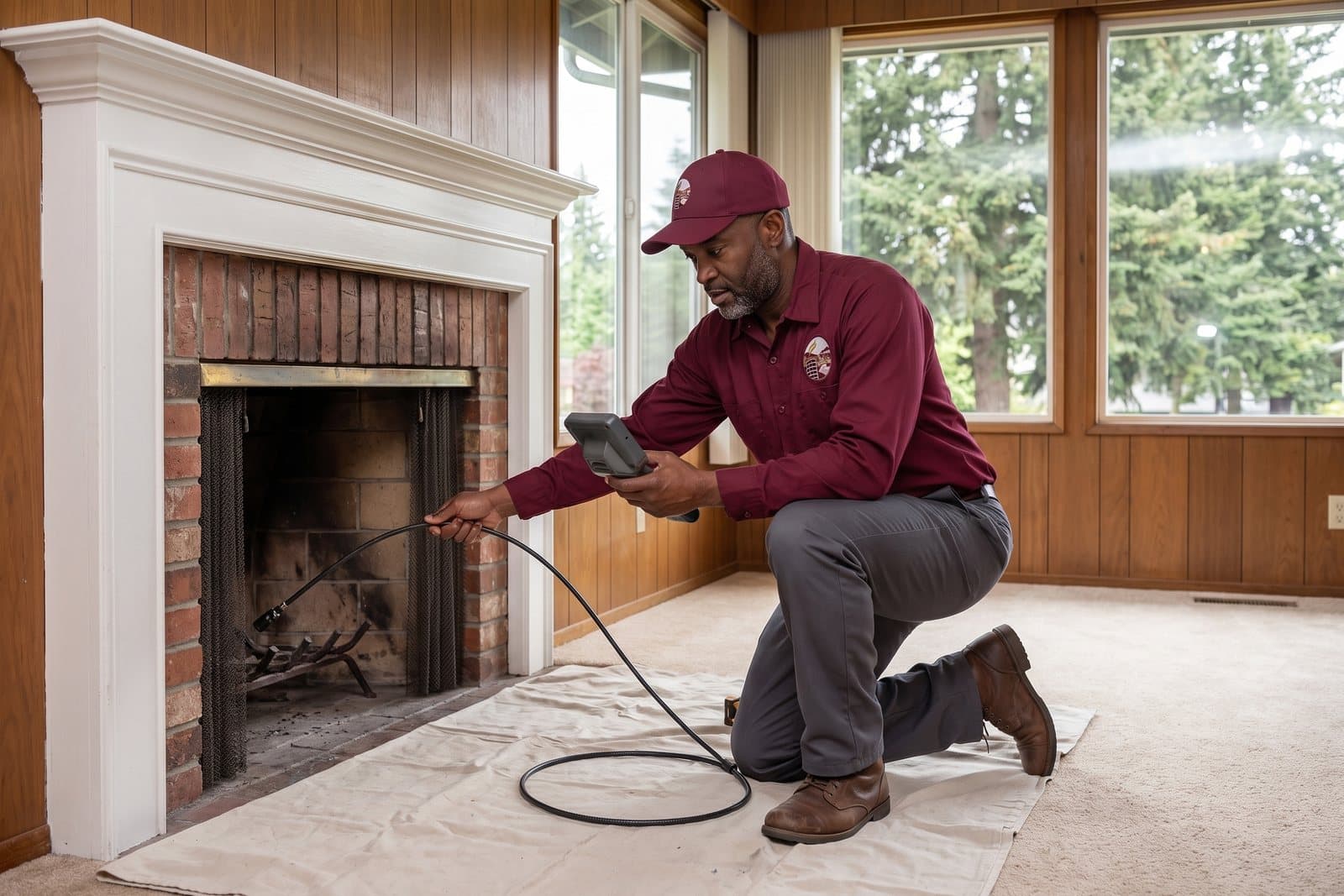
A chimney inspection in Renton documents the state of the flue, liner, crown, cap and flashing in photos, so the next fire is lit on evidence instead of habit.
Learn more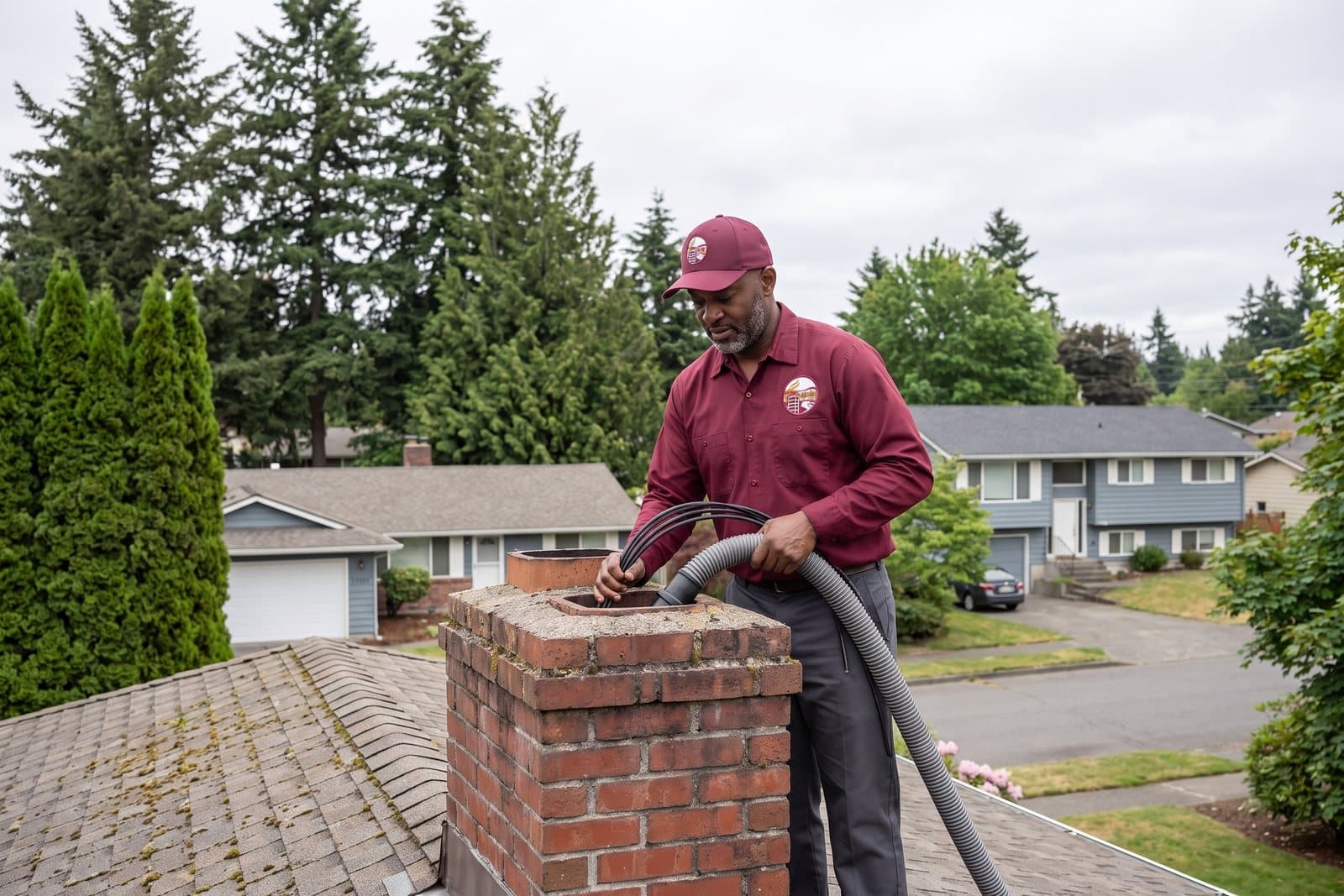
A chimney sweep in Renton brushes a season of soot and creosote out of the flue, then hands you photographs of the cleaned walls so their condition is yours to judge.
Learn more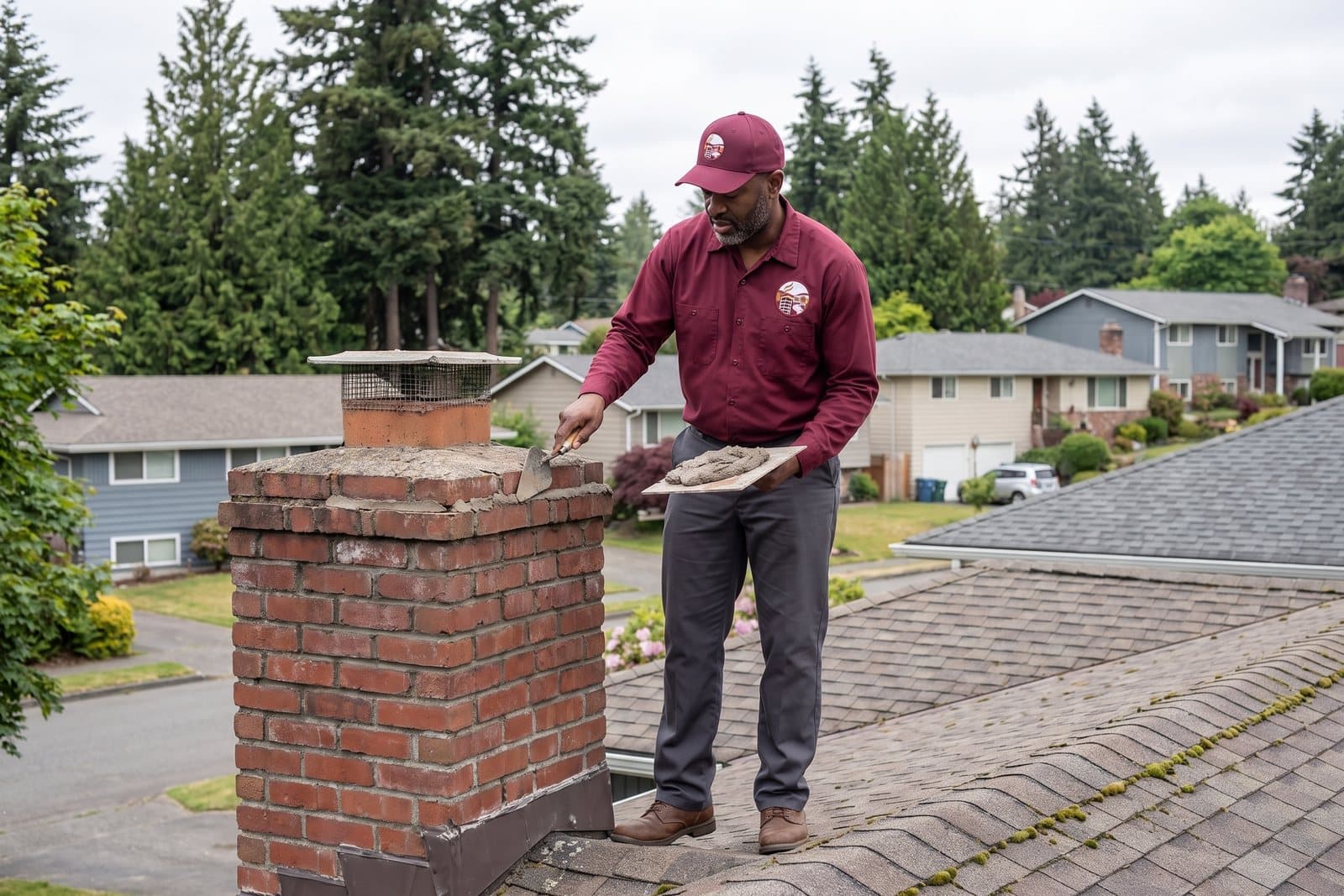
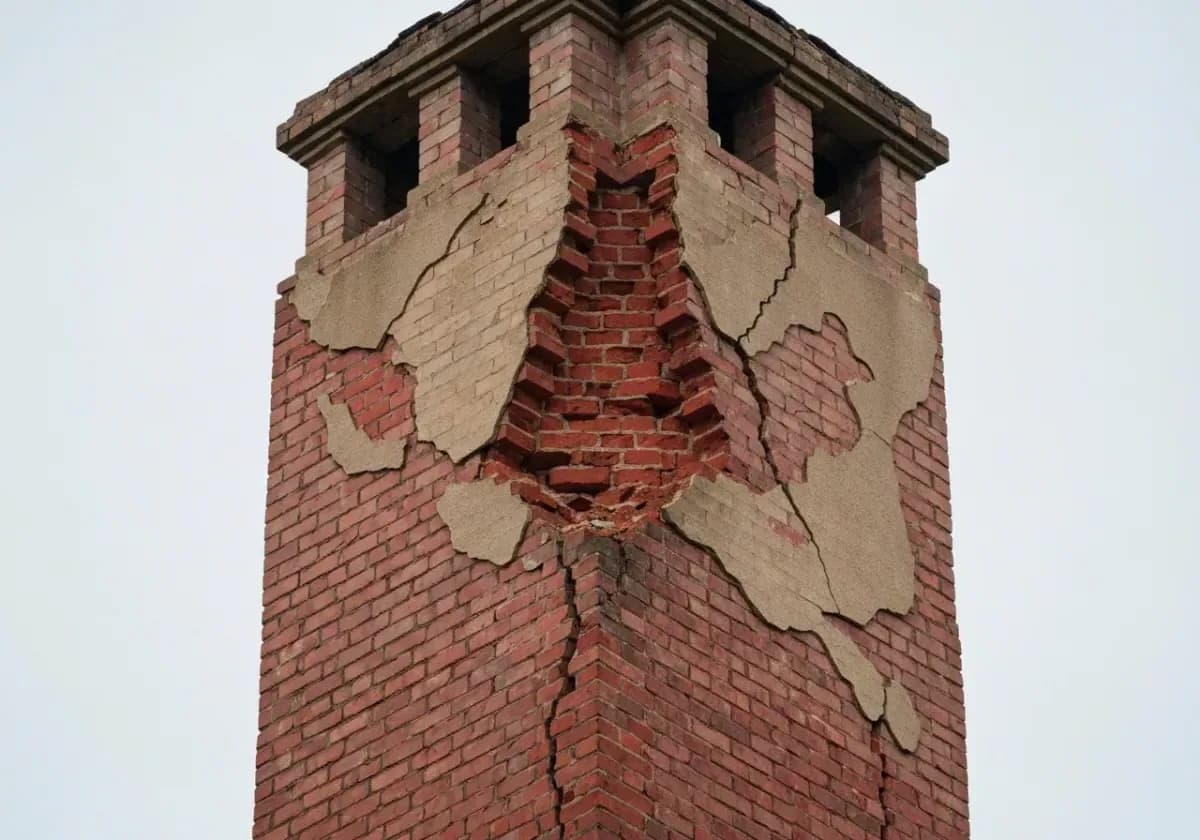
Chimney repair in Renton is structural work: resetting or replacing broken brick, rebuilding failed courses, and taking a stack down to the roofline when it can no longer be saved.
Learn more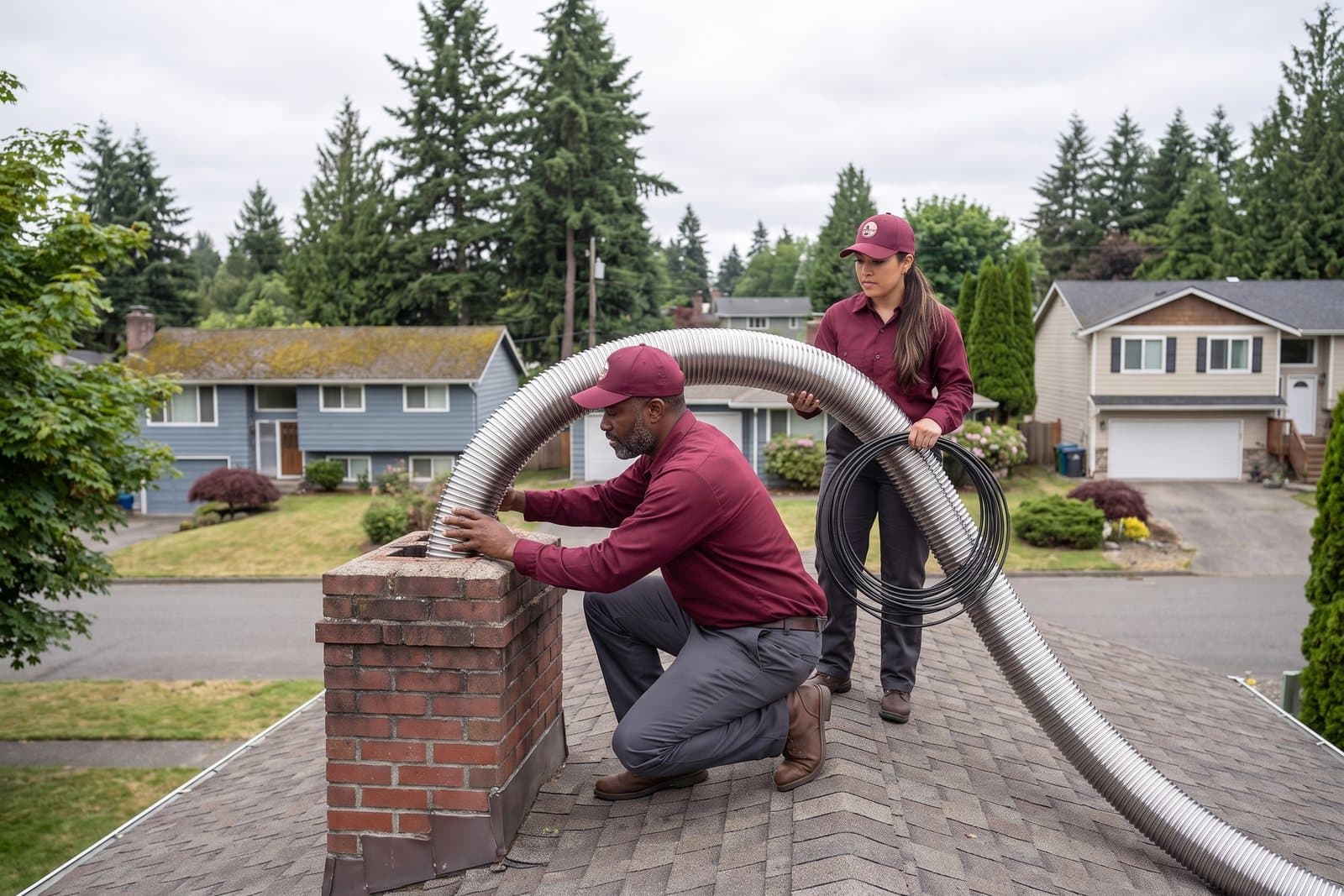
Chimney relining across southeast King County replaces a cracked or oversized flue lining with a stainless steel liner whose diameter is set by the appliance it serves.
Learn more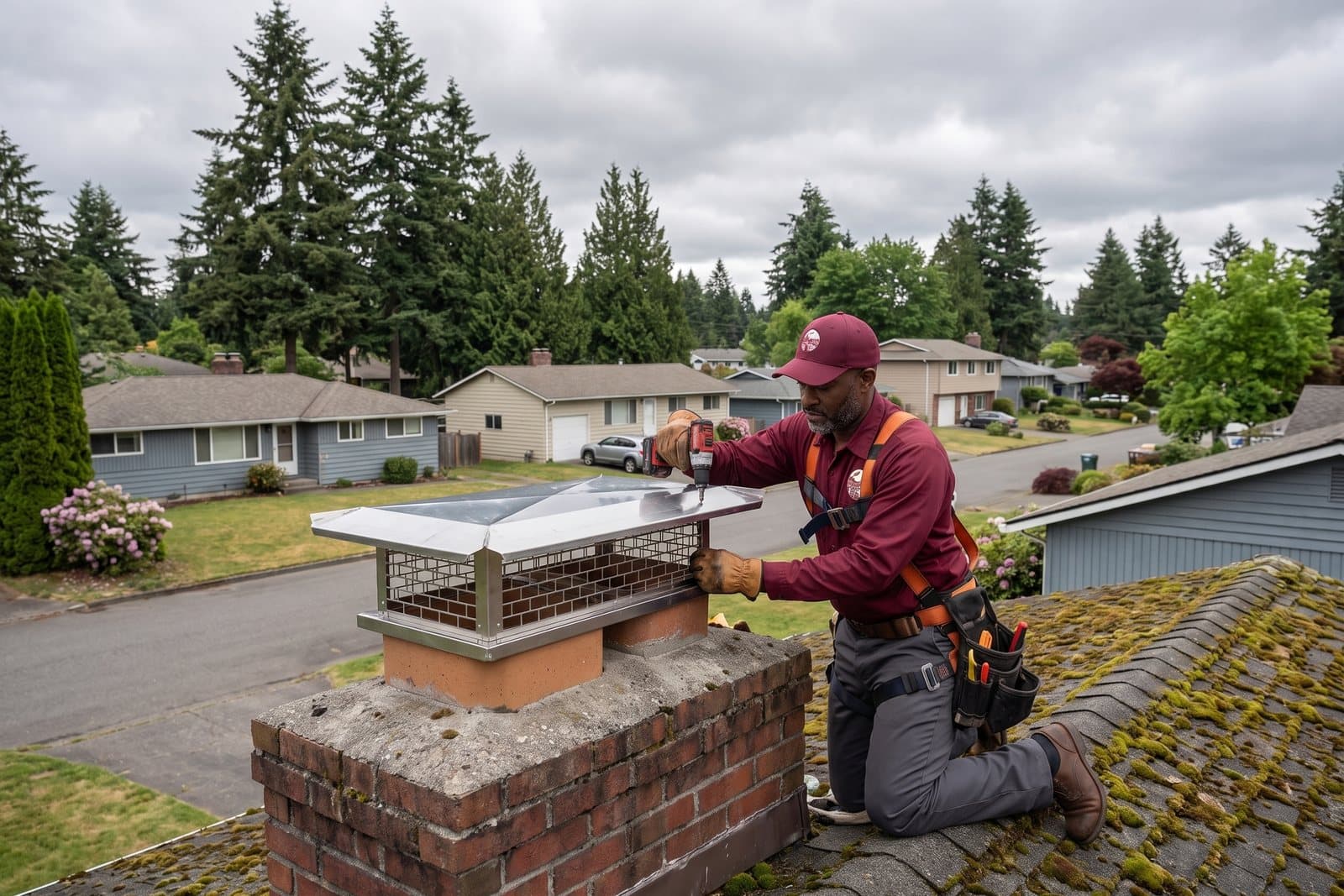
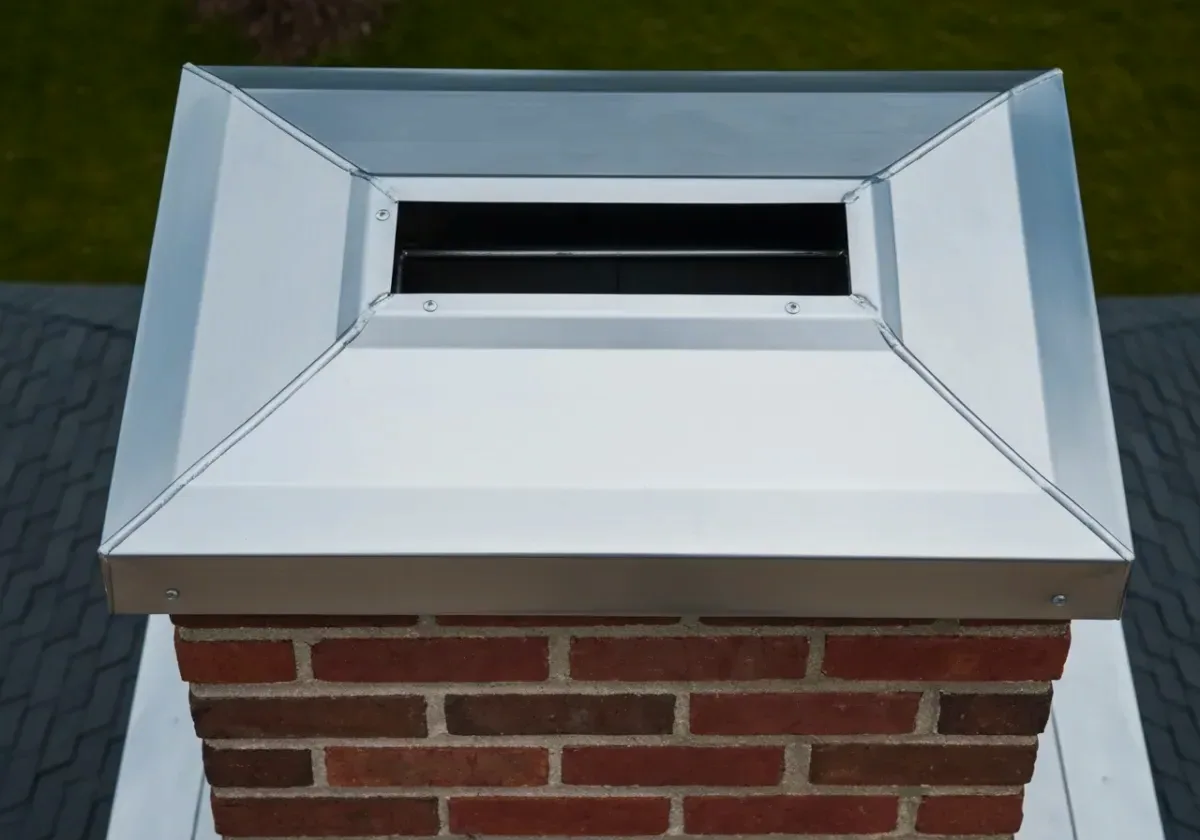
Chimney cap installation in Renton fits a stainless steel cover and screen over the flue, closing the opening to rain, fir needles, nesting animals and stray embers.
Learn more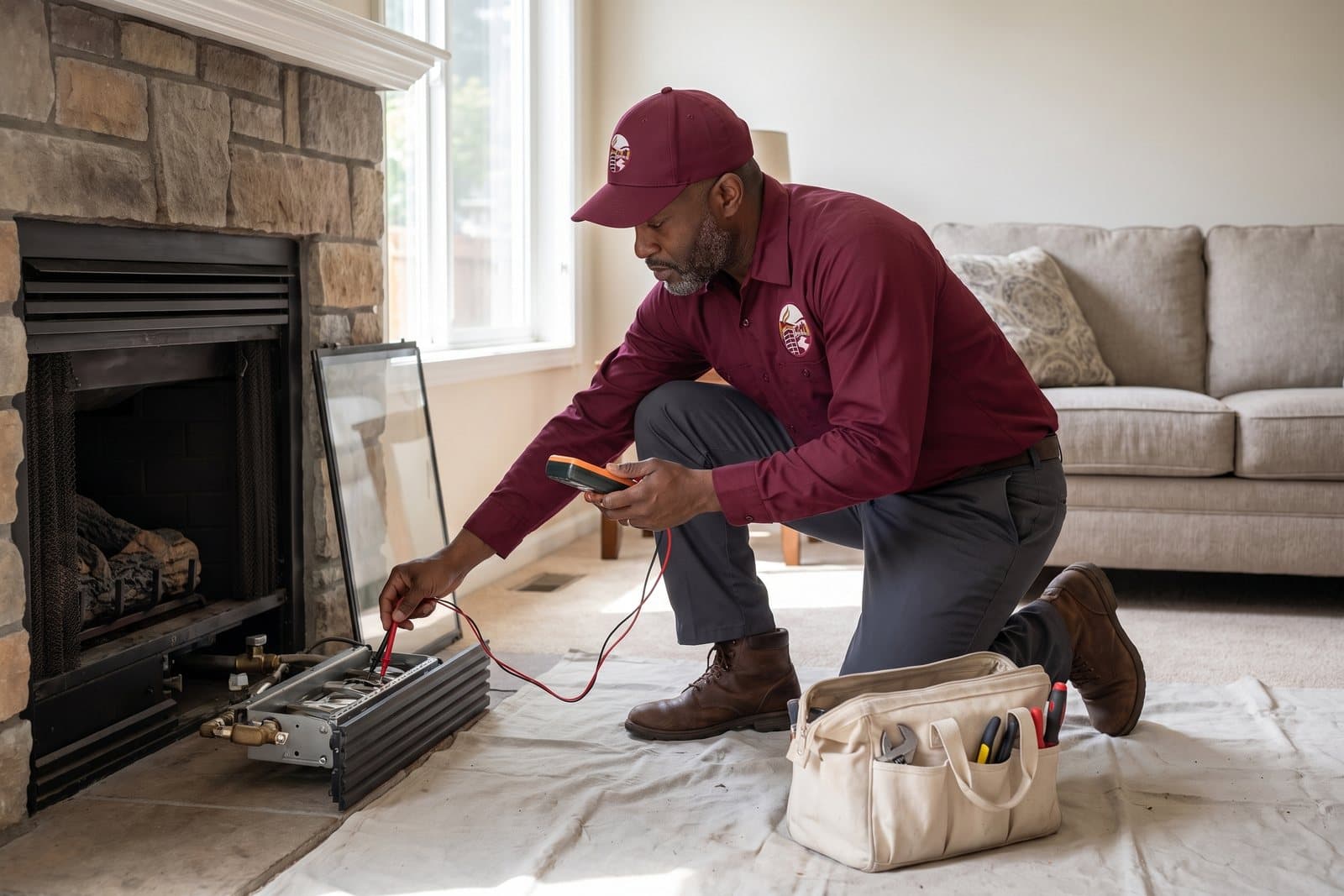
Gas fireplace service across southeast King County covers cleaning and testing of burner, pilot, glass and vent on gas fireplaces, inserts and log sets before the heating season leans on it.
Learn moreRanges shown for orientation — the exact figure is written up on-site, after the inspection.
Creosote comes in grades. Powdery soot brushes away. A crunchy, flaked layer takes more effort but still yields. The third grade is different: a flue that runs cool and smoky bakes its deposits into a glossy, tar-black shell, and a brush only polishes it. This service exists for that shell. A camera shows us how much there is and at what height, a remover is applied to break its grip on the liner, and rotary equipment lifts it without hammering the tile beneath. Then the camera goes back up.
The heaviest glaze we see belongs to stoves that heat a house full-time, and on our map those cluster on rural lots near Hobart and Maple Valley more than in the cities. Owners there should know the burn-ban rule: burning during an air quality ban is allowed only when wood is the home's one adequate heat source and an exemption was obtained beforehand from the Puget Sound Clean Air Agency. Exempt or not, the chimney must show no visible smoke, and a glazed flue makes a clean burn hard to achieve.
CSIA's guidance is to sweep a masonry fireplace at 1/8 inch of sooty buildup and sooner if any glaze is present. That last clause is there because glaze is concentrated fuel bonded to the liner, and ordinary sweeping leaves it in place.
A flue lined with glaze is a chimney fire waiting for a hot enough evening, and such a fire burns long enough to split clay tile. Keeping glaze from forming is mostly a matter of what goes into the firebox. The state permits two fuels: wood that is dry and seasoned, and manufactured logs. Its rule WAC 173-433-120 bans a list of others from the firebox, among them garbage, plastics, rubber, treated lumber, paint, chemicals and petroleum or asphalt waste, and several of those leave sticky residues on a liner in addition to fouling the air. Damp wood and a throttled air supply do the rest: they cool the smoke until it condenses on the flue walls.
How it works
Soot, flake or glaze, and how many feet of it: the camera settles both.
The remover needs time to change the glaze so it lets go of the tile.
Rotary heads clear the softened layer; a stubborn flue may get a second treatment.
Tiles that were hidden for years are finally visible, cracks included.
Licensed& insured Washington chimney contractor
4 communitiesRenton, Newcastle, Snoqualmie and Maple Valley
$99 plus taxInspection, credited toward an approved quote
Every jobDocumented with before-and-after photos
If any of these sound familiar, book the $99 plus tax inspection — credited toward the work if you approve the quote:
By town
The 4 South King County communities we serve. Pick yours for local scheduling and the chimney issues we see there.
Before and after
Illustrations of what each repair changes on a typical chimney — not photos of a specific job.
 Before
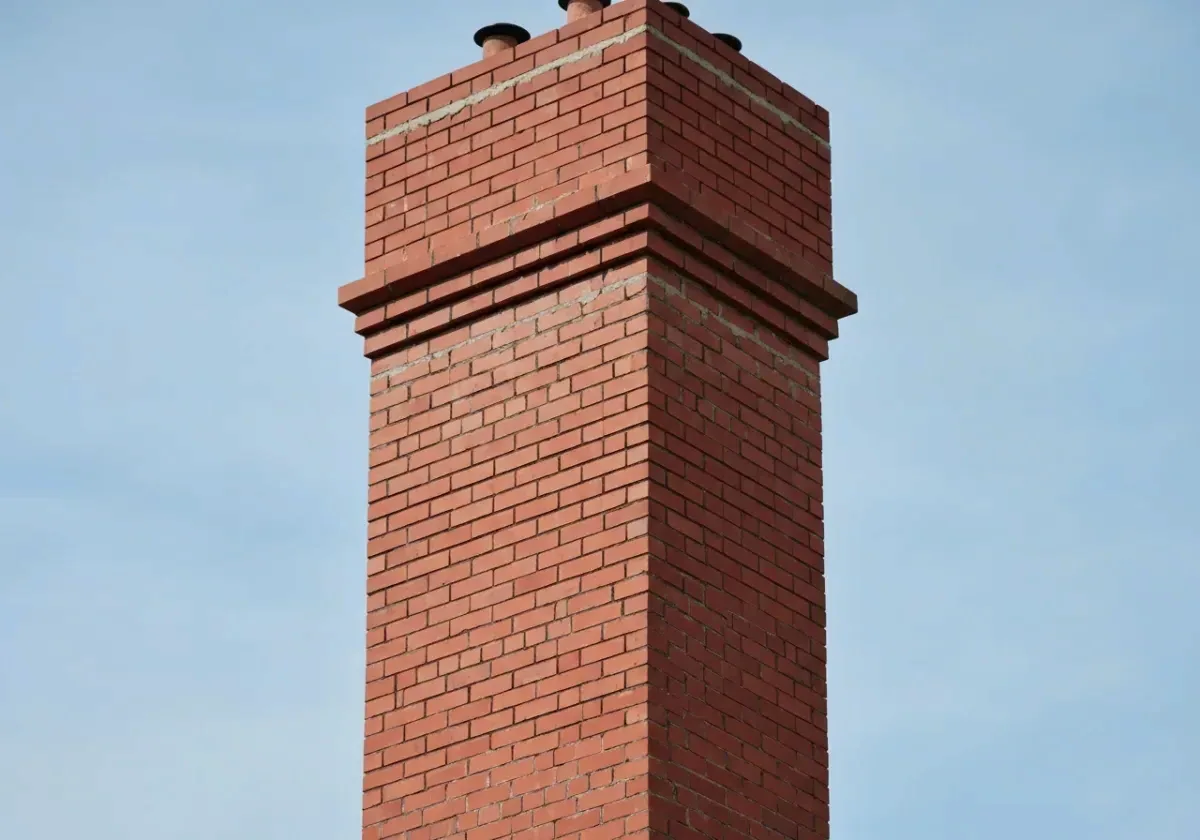 After
After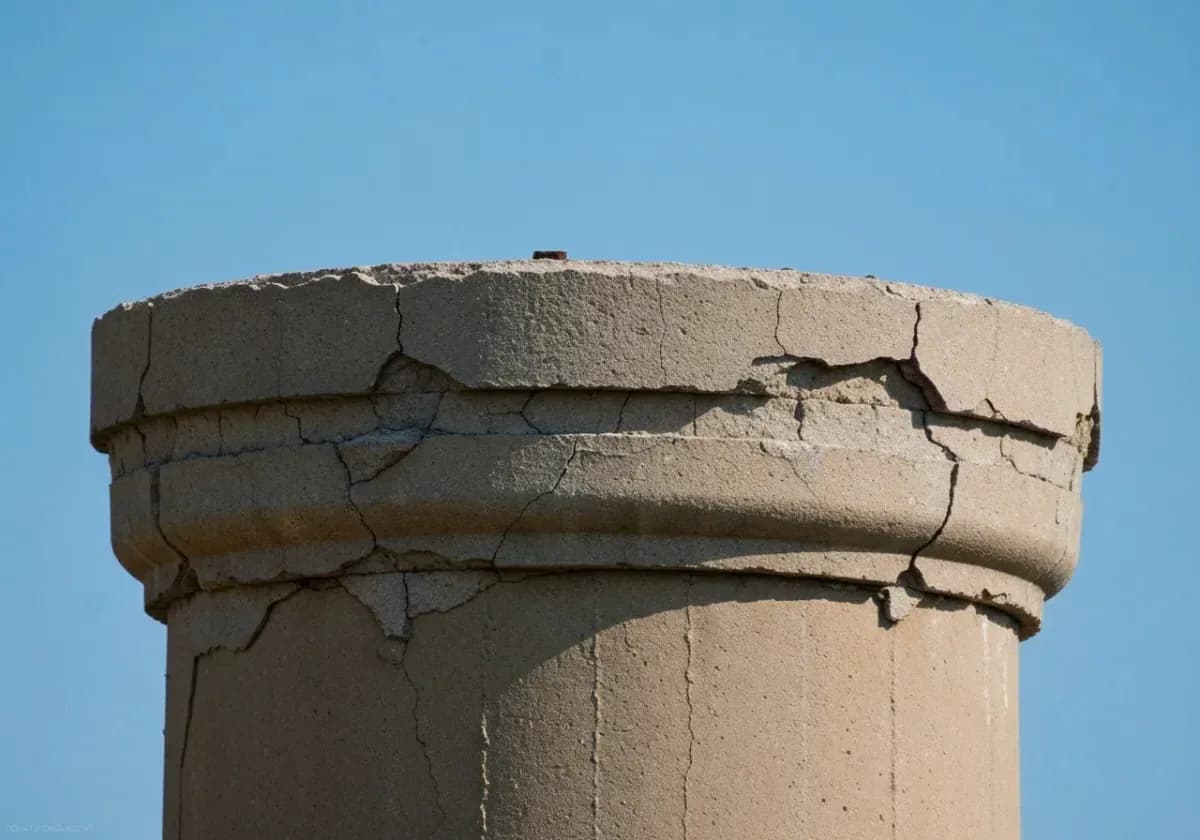 Before
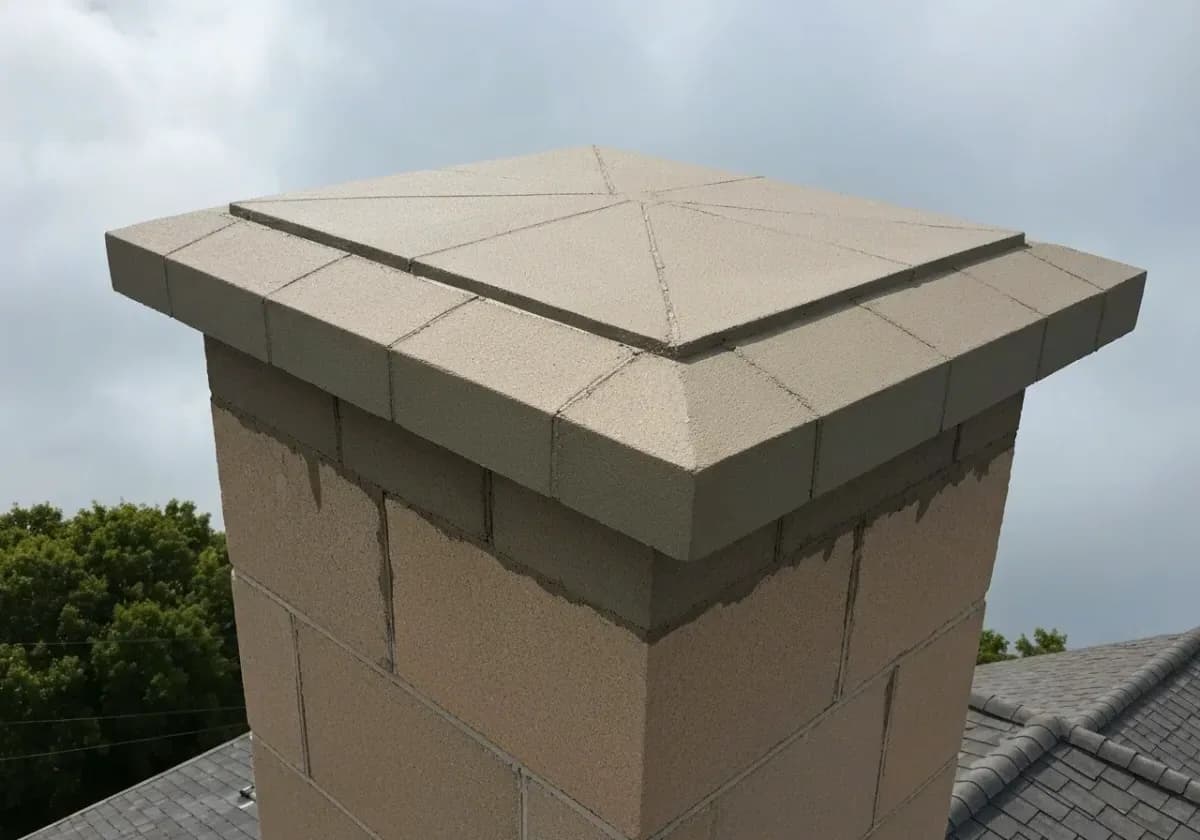 After
After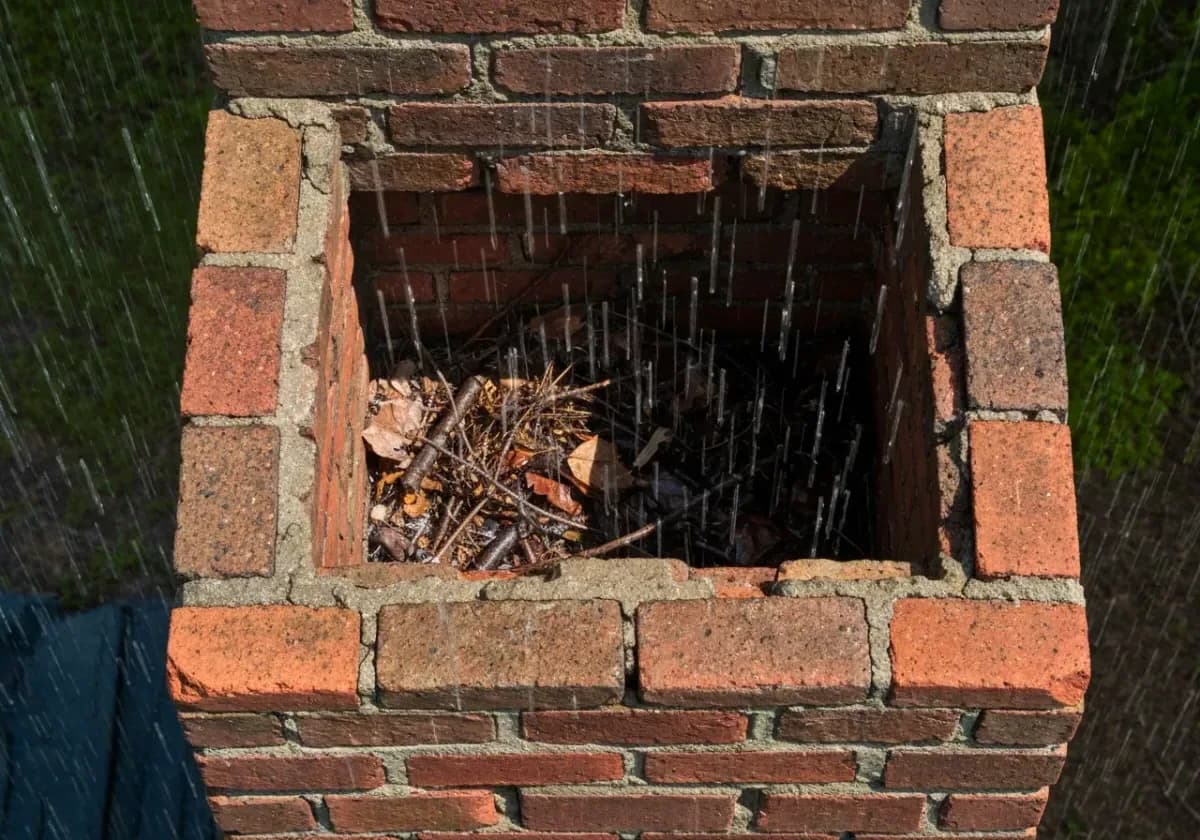 Before
 After
After
Four steps, each one on paper — so you always know what happens next.
Choose a genuine opening on the crew's calendar. Confirmation is immediate.
Liner, crown, cap, flashing and masonry examined in order — each finding photographed.
One document, plain numbers, covering only the work your chimney genuinely needs.
The repair is completed, then handed over with before-and-after photos of every item.
Before you let anyone in
Every fact below is one you can check yourself before we ever set foot on your roof.
The on-site inspection is $99 plus tax, and it is credited toward the work when you approve the written quote. Booking online asks for no card.
You get the price in writing, for the work your chimney actually needs, and nothing starts until you have approved it.
Each item we inspect or repair is photographed before and after, so the condition of your chimney is on record.
Call (425) 979-2035 — a local South King County number, the same one on every page of this site.
Licensed& insured Washington chimney contractor
4 communitiesRenton, Newcastle, Snoqualmie and Maple Valley
$99 plus taxInspection, credited toward an approved quote
Every jobDocumented with before-and-after photos
Serving Renton, Newcastle, Snoqualmie & Maple Valley
A sweep ($189–$459) removes soot and flaky creosote with brushes. Creosote removal, quoted from $245, brings in a chemical remover and rotary tools for the glazed kind. How much glaze there is, and over what length of flue, sets the final figure.
That is how chimney fires happen. Setting the glaze alight deliberately risks cracked tiles and worse. We remove it with the flue cold.
As a help with light deposits, somewhat: they can dry soot so that brushes take it more easily. They do not replace sweeping and they will not strip glaze.
Dry, seasoned wood, enough air for a lively flame, and no all-night smoldering. Add the yearly inspection so the deposit is caught while a brush can still deal with it.
The sequence is designed to prevent that. Chemistry loosens the glaze first, so the tools are lifting material that has already released. Any crack the glaze was hiding will show in the closing photos.
See creosote removal pricing in detailMore chimney questions
A chimney sweep in Renton brushes a season of soot and creosote out of the flue, then hands you photographs of the cleaned walls so their condition is yours to judge.
Learn moreA chimney inspection in Renton documents the state of the flue, liner, crown, cap and flashing in photos, so the next fire is lit on evidence instead of habit.
Learn moreChimney relining across southeast King County replaces a cracked or oversized flue lining with a stainless steel liner whose diameter is set by the appliance it serves.
Learn more| Service | Price in Renton | What that covers |
|---|---|---|
| Creosote Removal | From $245 | Priced by creosote stage — glazed stage 3 is the heavy end |
| Chimney Sweep | $189–$459 | Full flue swept, Level 1 inspection included |
| Chimney Inspection | $99 plus tax | Level 1 visual; Level 2 adds a full camera scan |
| Chimney Relining | From $1,900 | Full-length stainless liner, sized to the appliance |
Ranges are what these jobs are quoted at in Renton. The exact figure is set on site after a $99 inspection (credited toward the job if you go ahead), and you approve it before any work starts.
Licensed local crews, a $99 on-site inspection credited toward repairs, and a written quote before any work. Book a real open slot on our calendar.