Snoqualmie, King County
A chimney in Snoqualmie lives with more water than one almost anywhere else in King County, and with forest close enough to matter. Those two facts, rain and timber, shape nearly every conversation we have with homeowners here, ahead of the age of the house. This page lays out what is known about the town's climate, its housing, its wildfire setting and its permit rules, with the source beside each figure.
Book an inspection
Book your $99 inspection
$99 plus tax, deducted when you approve the repair
Not sure where to start
Pick what you're seeing at your Snoqualmie home — we'll point you to the right fix.
What we do
The same crew, the same written quote — for Snoqualmie homes.
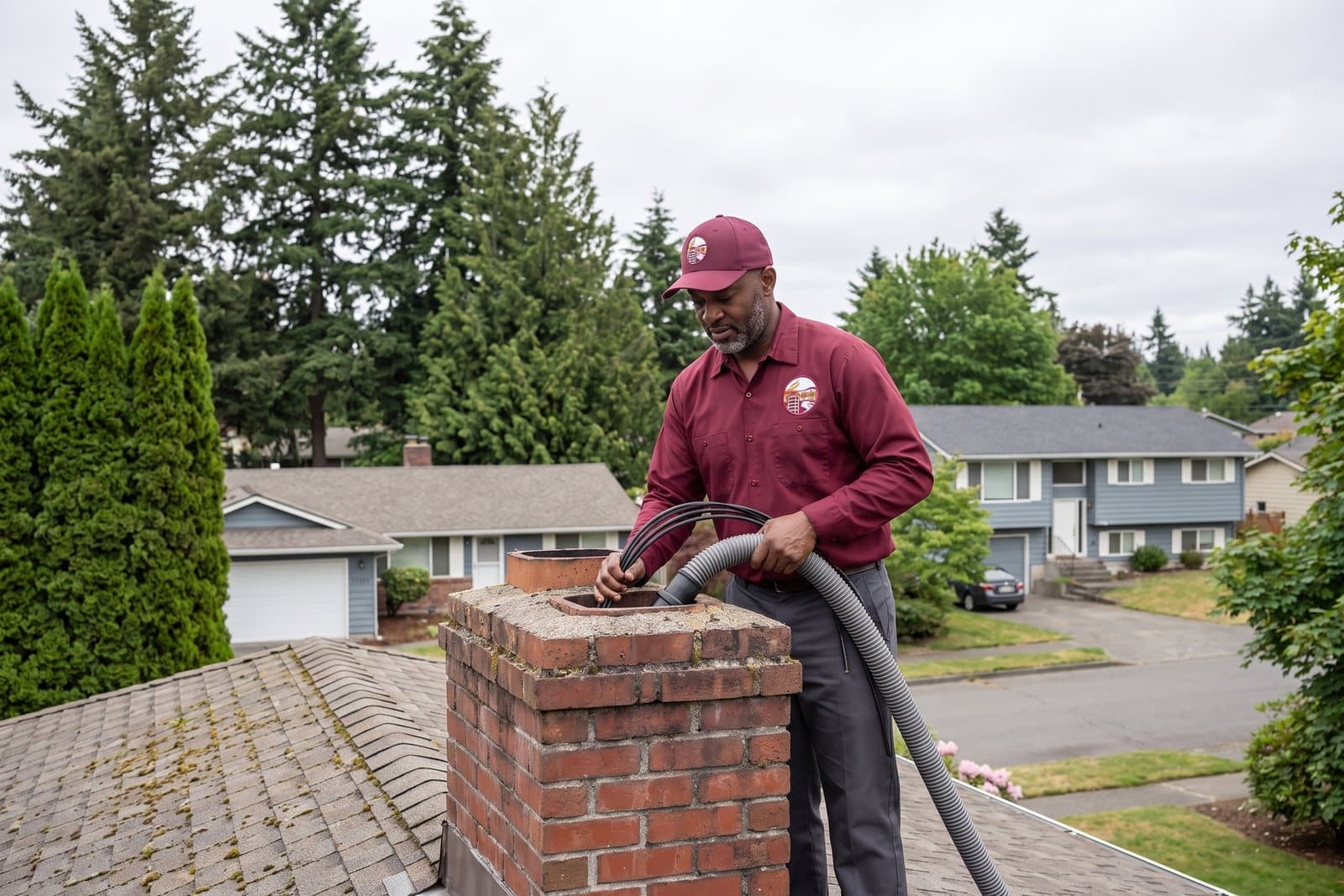
The flue brushed along its full height with heads chosen for its shape and material
Learn more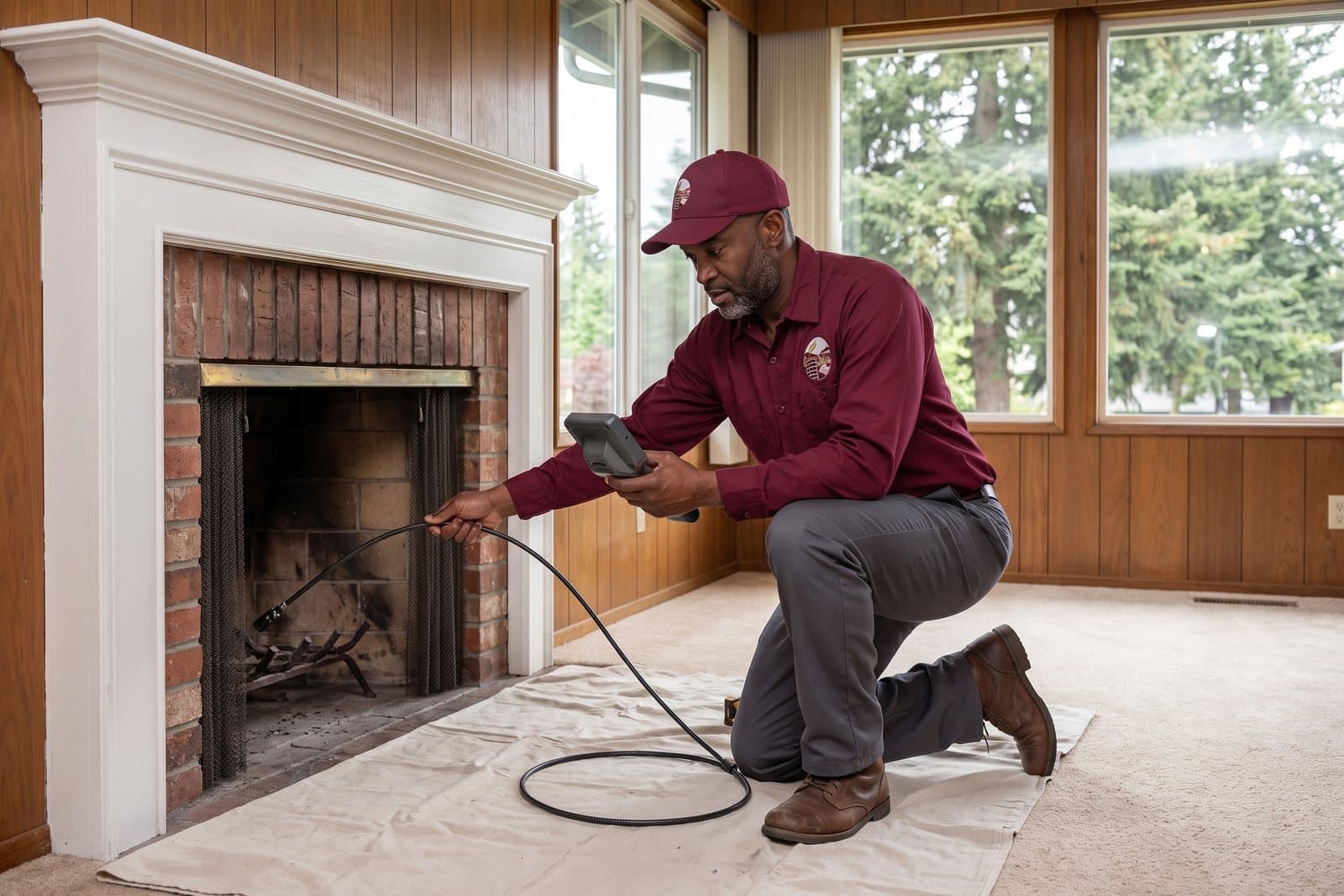
Level 1 review of the accessible parts, stepped up to a Level 2 camera pass when those parts cannot settle the question
Learn more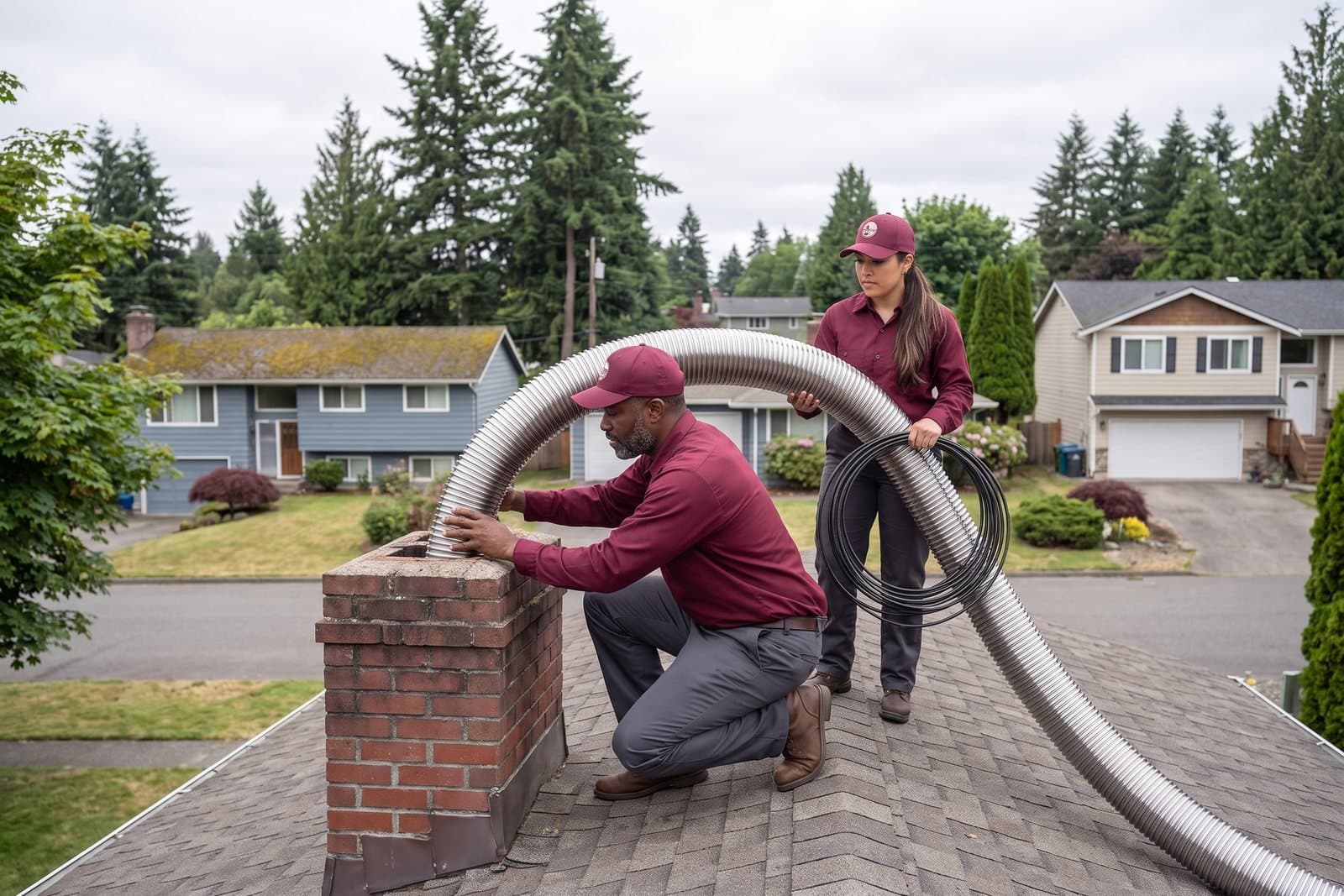
Video scan and measurement of the flue before a liner is specified
Learn more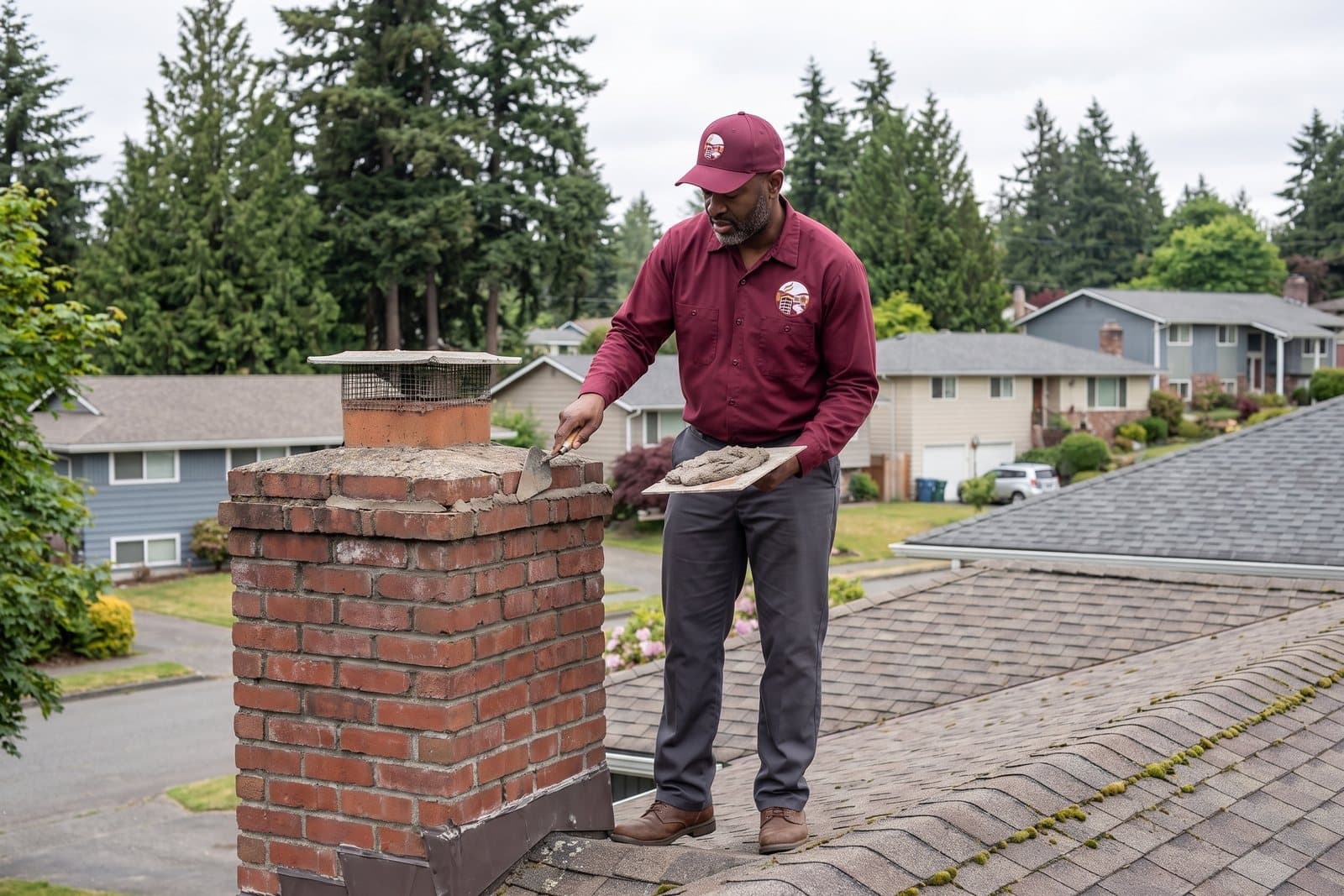
An assessment in photos that tells weathering apart from structural failure
Learn more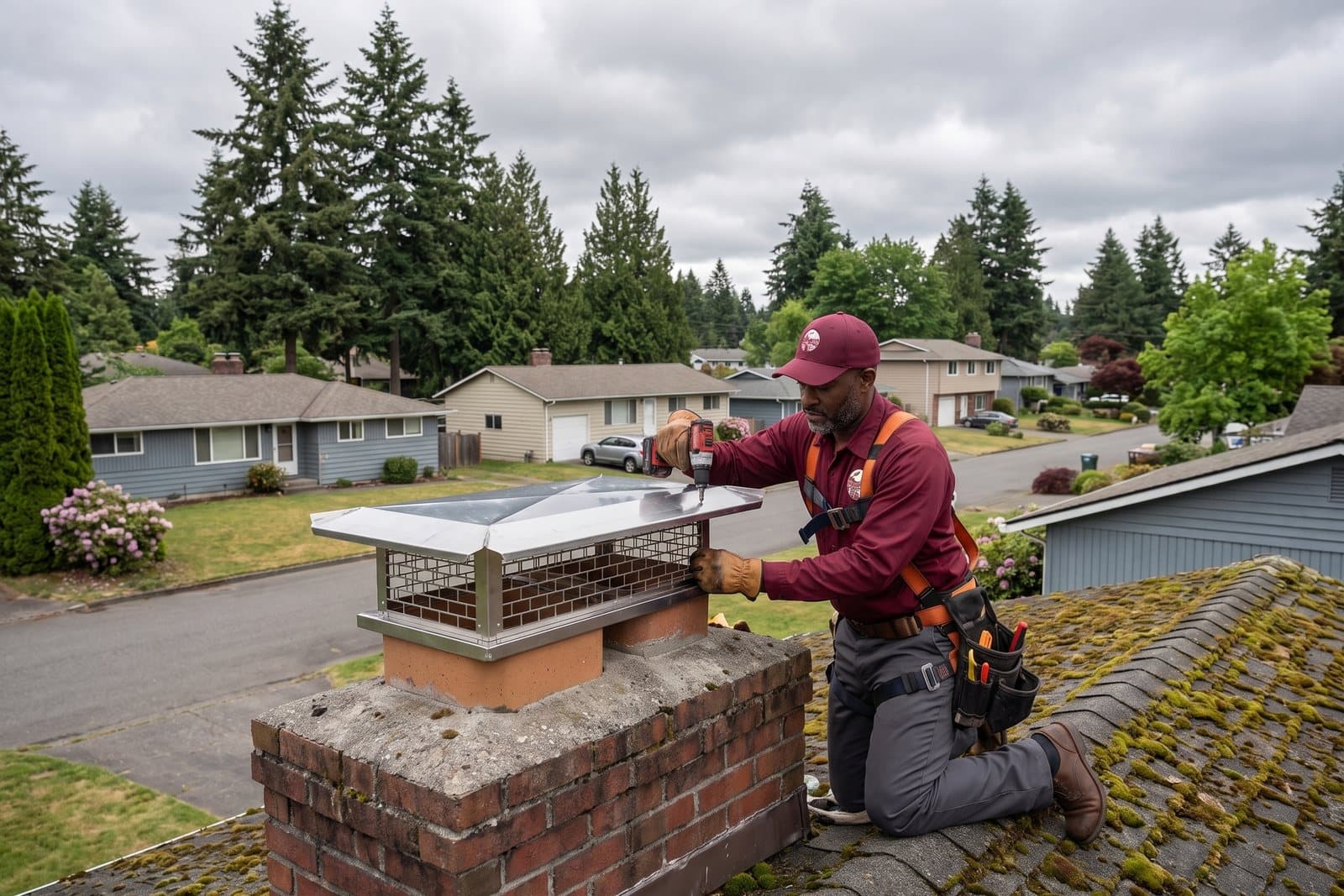
Each flue measured, or the whole crown when one cap will cover several flues
Learn more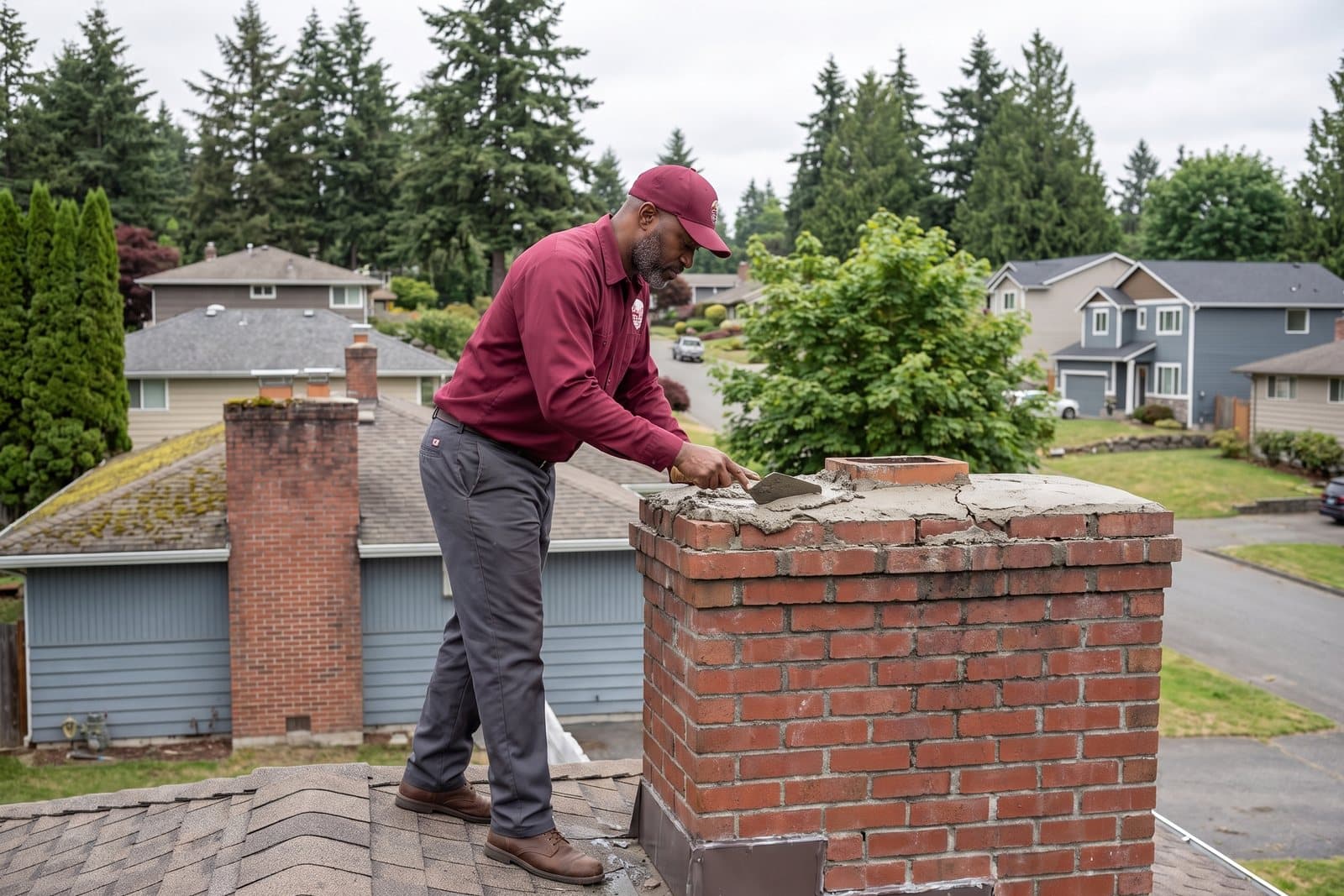
Photos of the crown and of all four faces before work begins
Learn more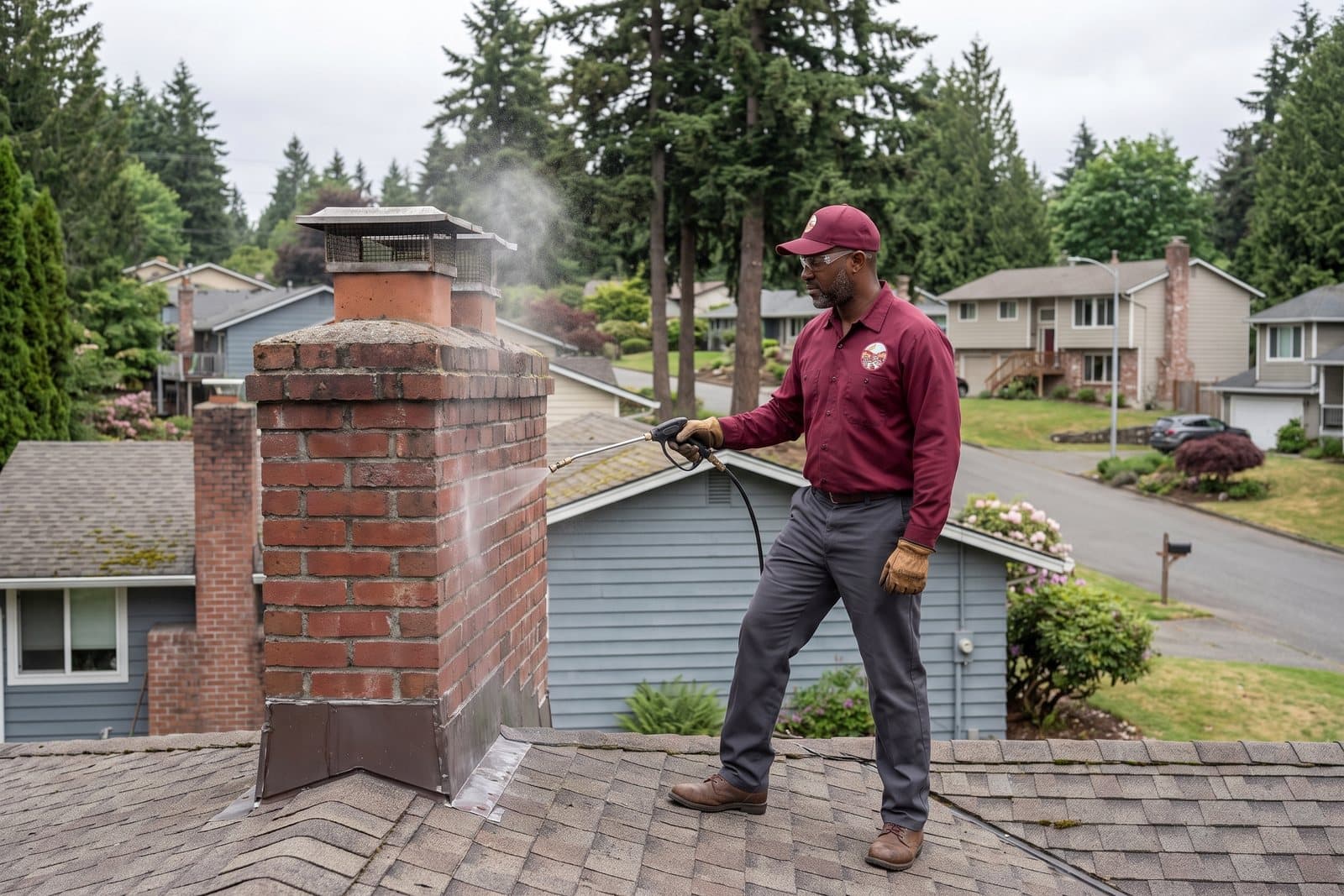
Brick, joints and crown checked for defects before any product is opened
Learn more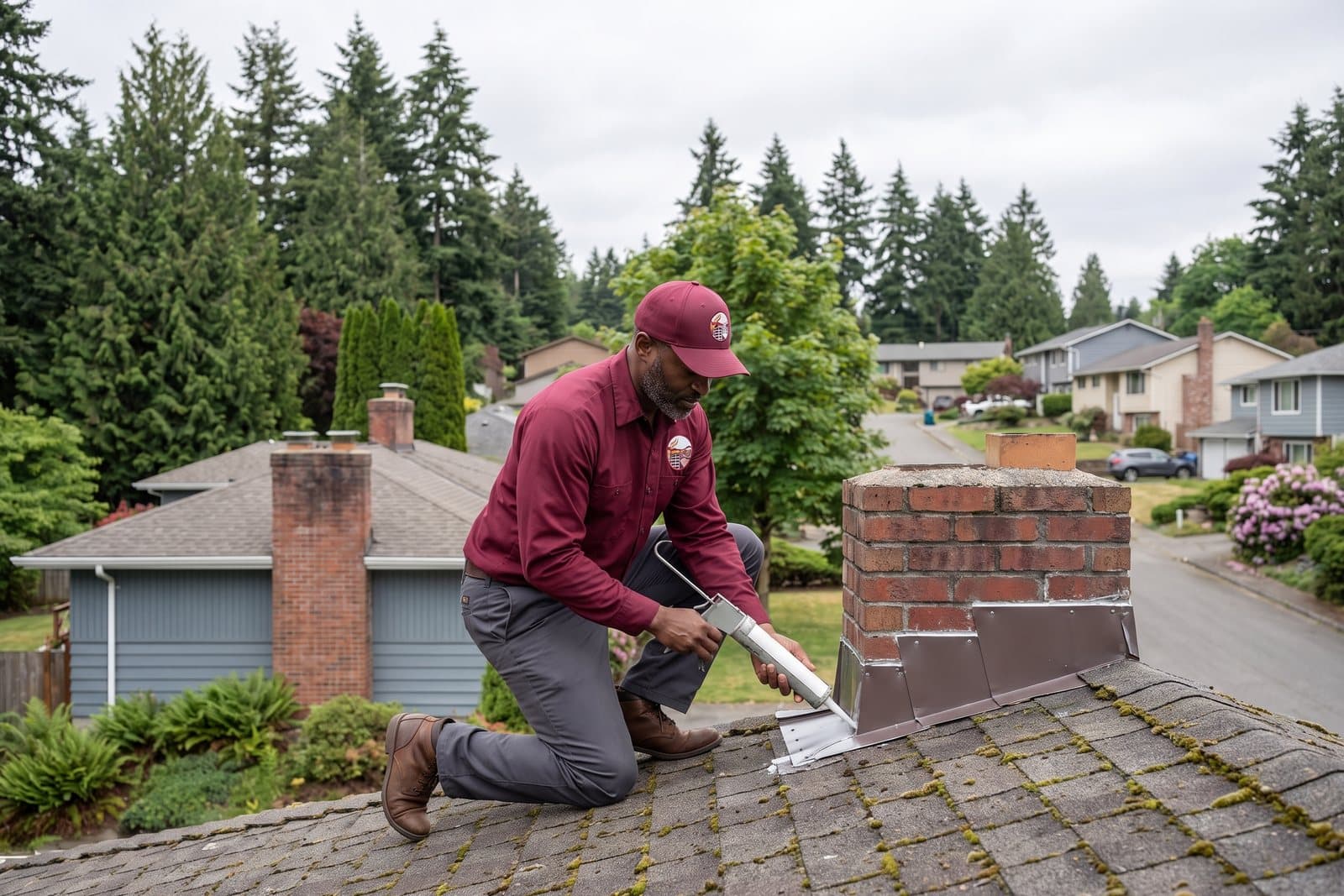
The leak followed from the stain back to its entry point, in the attic where there is access
Learn more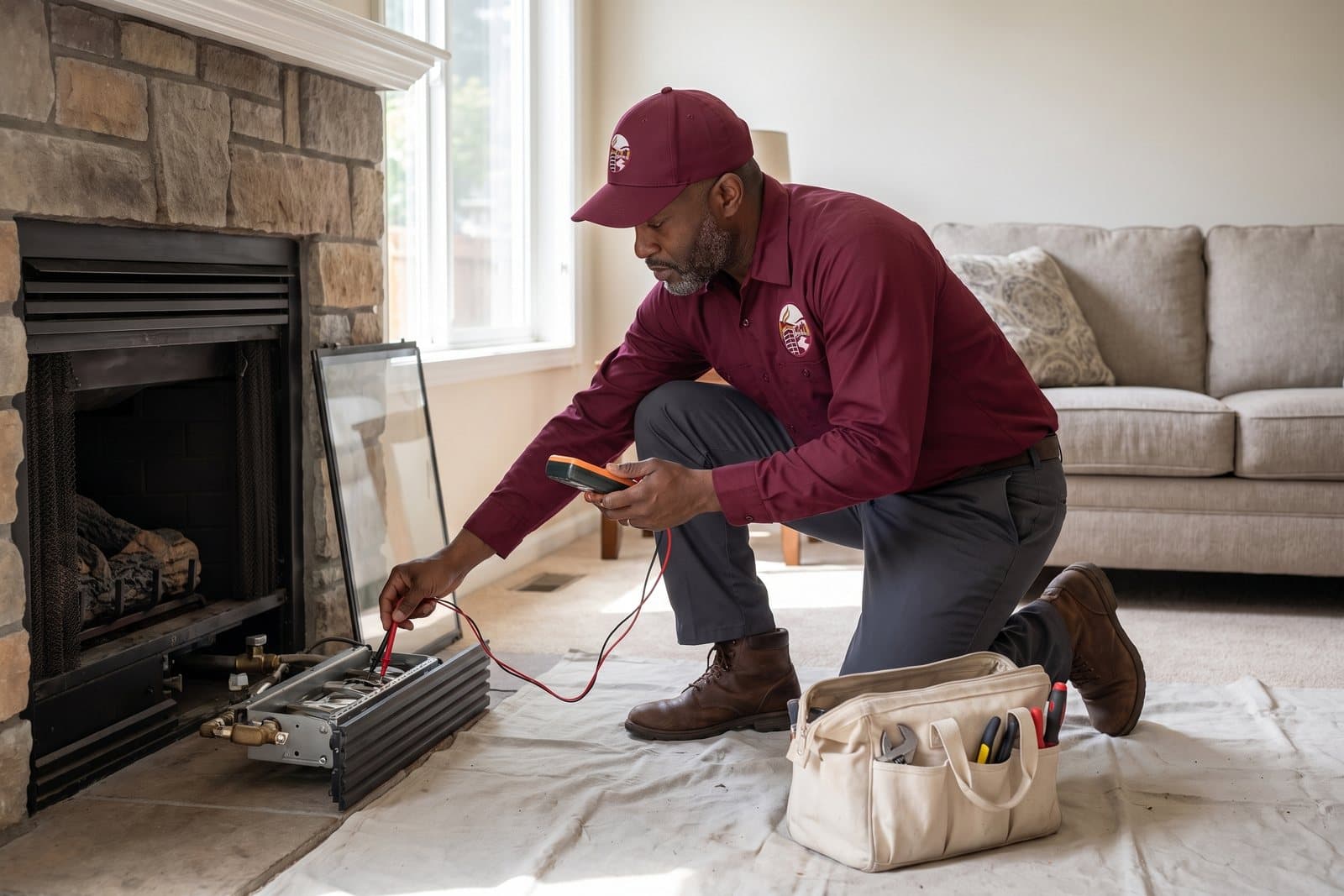
Burner, pilot assembly and igniter cleaned and tested
Learn more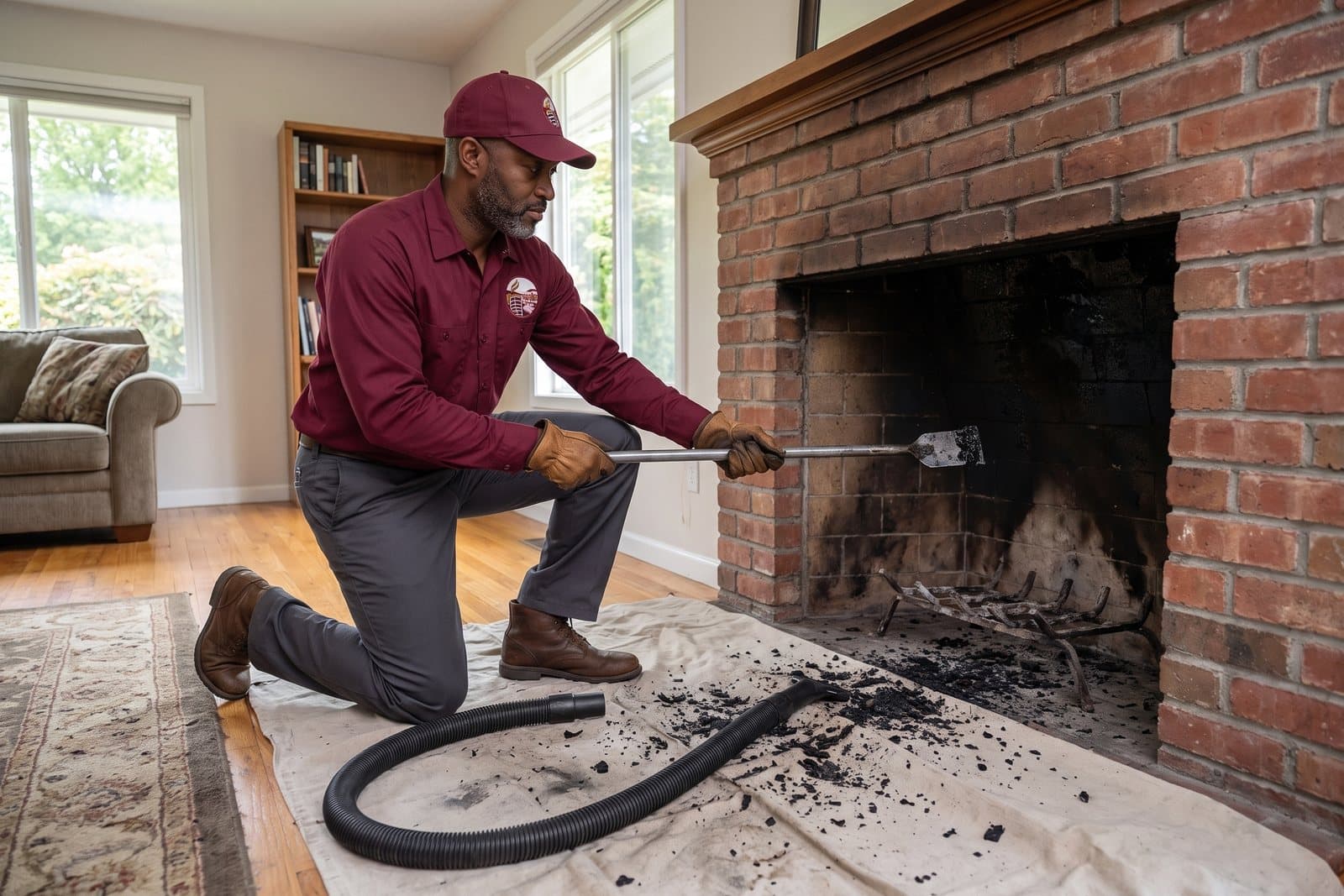
Video grading of the deposit and a note of where it sits
Learn more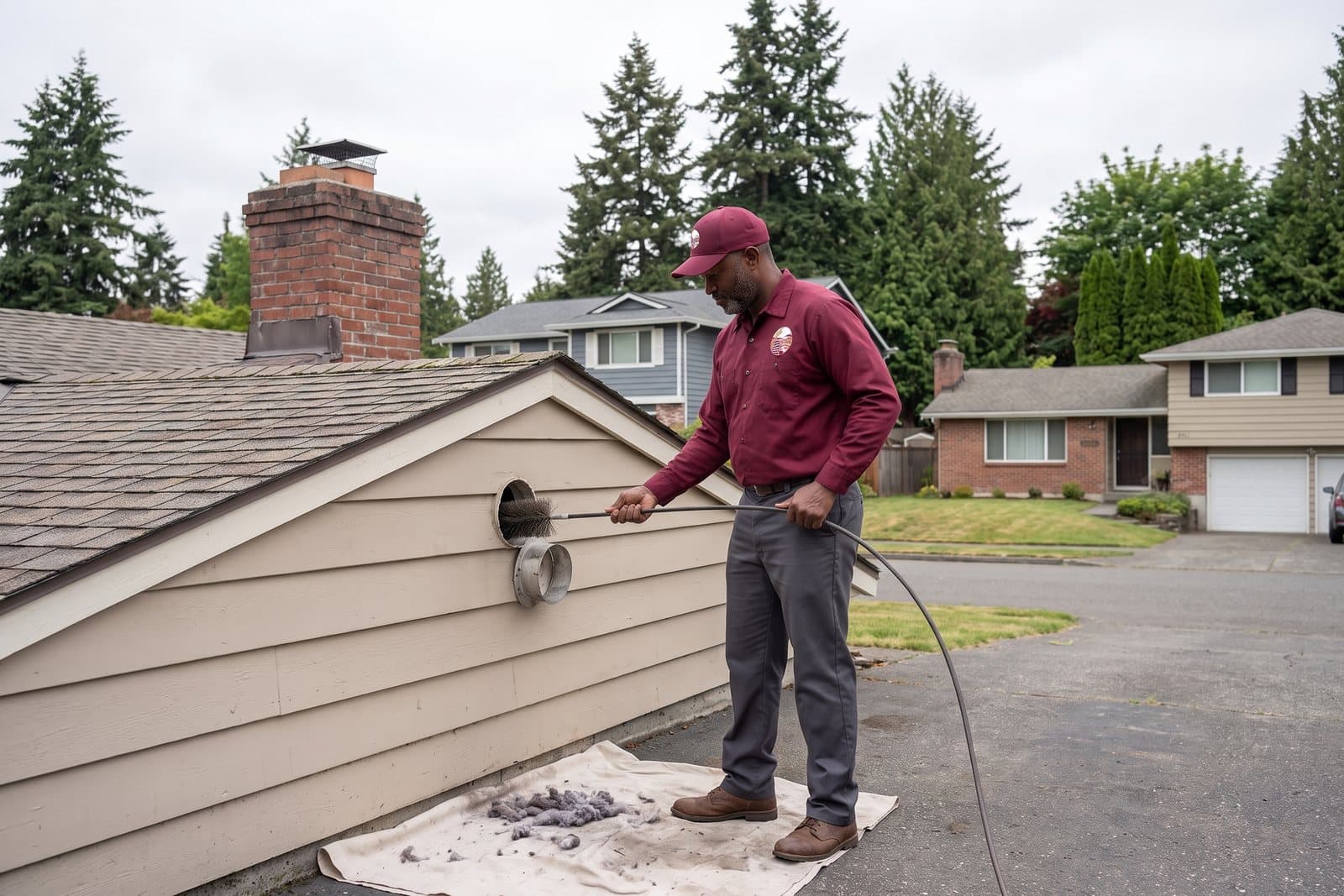
The full duct brushed with rotary rods and flushed with air
Learn more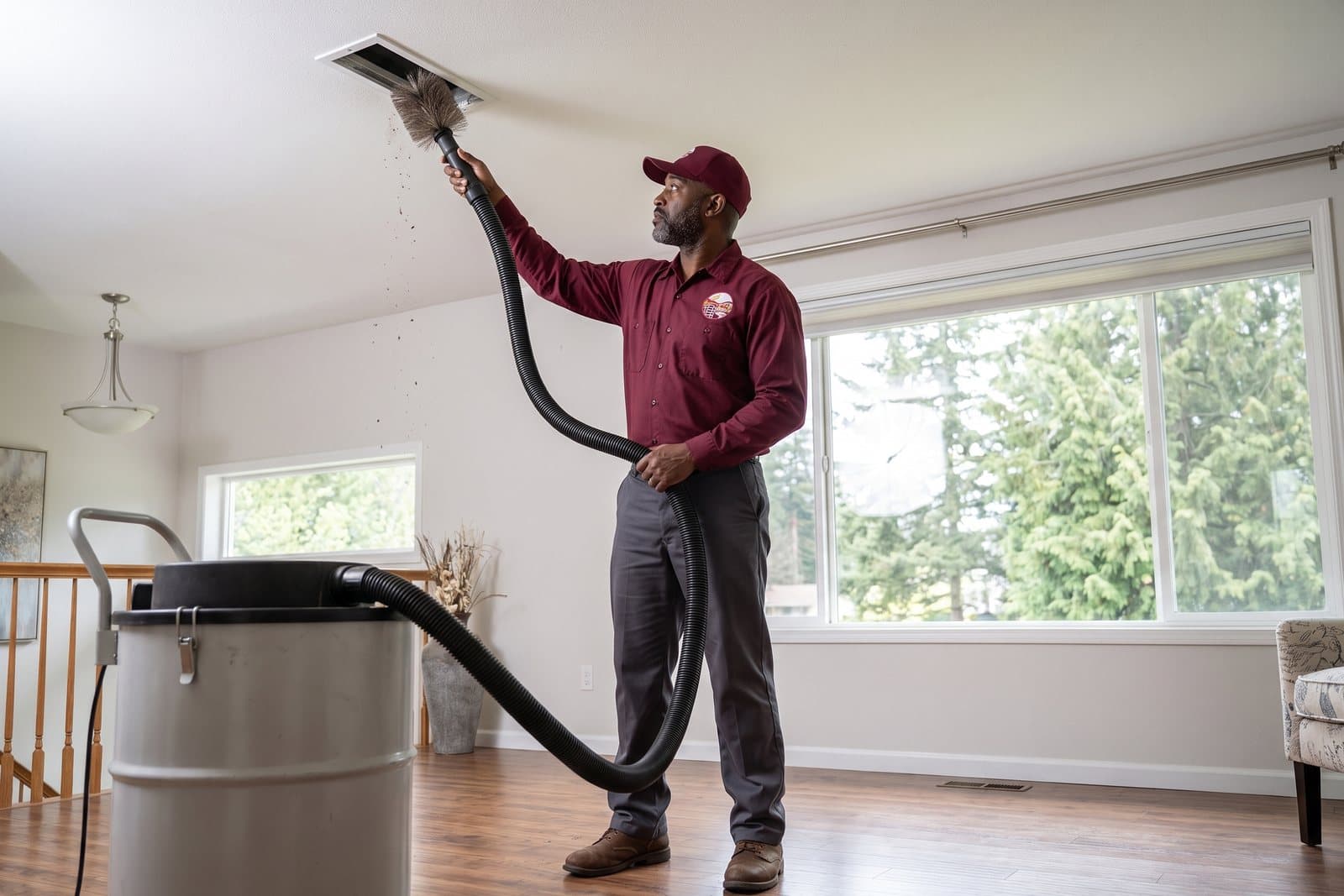
All supply and return branches agitated while the system is under negative pressure
Learn moreRanges shown for orientation — the exact figure is written up on-site, after the inspection.
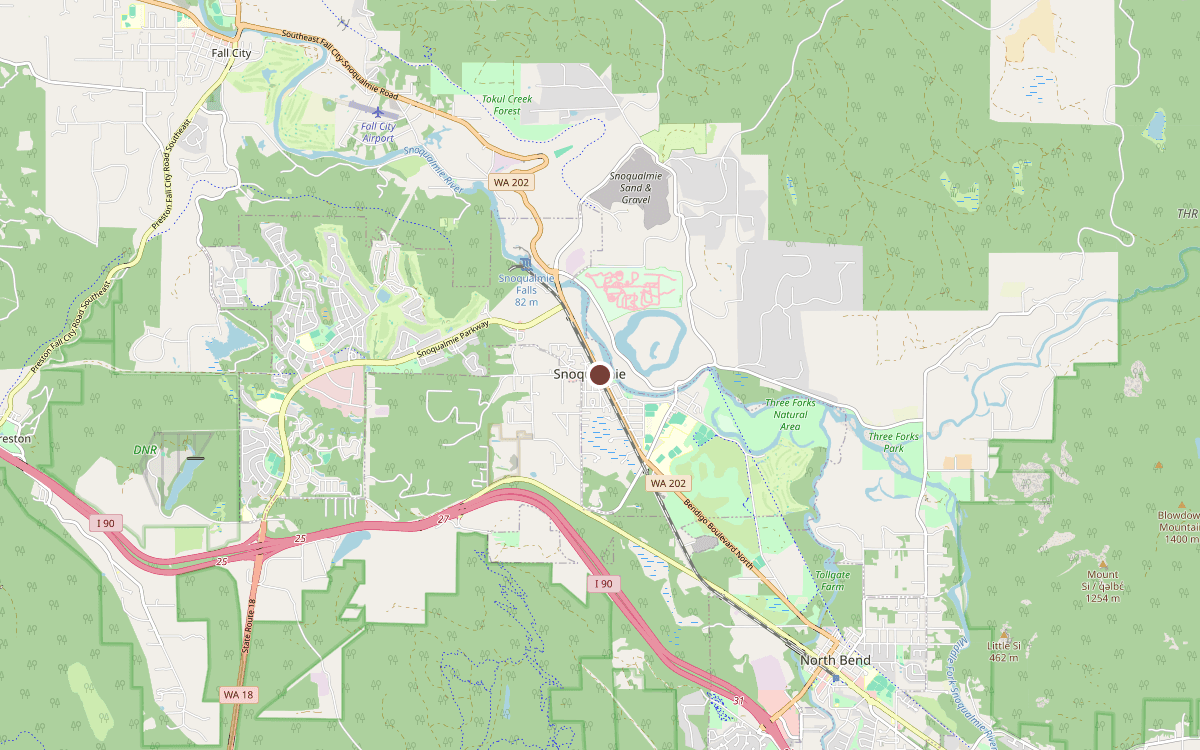
Service-area map — Snoqualmie, WA. Map data © OpenStreetMap contributors.
Washington's Office of Financial Management estimates Snoqualmie's population at 14,550 on April 1, 2026, against 14,121 for 2020 in that table. It counts 4,889 housing units: 4,021 one-unit structures and 868 units in buildings of two or more. Census survey data adds that about 80.5 percent of units are single-family detached and roughly 85 percent of occupied homes are owner-occupied. Snoqualmie spans 7.42 square miles at an elevation of about 410 feet, and its comprehensive plan divides it into subareas that include Historic Snoqualmie, Meadowbrook, Snoqualmie Falls, Snoqualmie Hills, the Mill site, Snoqualmie Ridge and Snoqualmie Ridge II.
Snoqualmie stands on the Snoqualmie River just upstream of Snoqualmie Falls. HistoryLink's account has hop farming flourishing in the upper valley in the 1880s and rail service arriving in 1889. Aphids ended the hop fields near the turn of the century; the lumber mills carried on. The town had 429 residents in 1900 and incorporated on June 9, 1903.
That origin is still visible in the housing count. Census estimates find 341 homes from 1939 or earlier, 7.1 percent of the total, a higher share than in any of the other three towns we serve.
The second era is recent and much larger. About 3,600 units, 75.4 percent of the housing, were built from 2000 to 2019, while the four decades from 1950 to 1989 account for just 289. The city's hazard annex ties the surge to two master-planned developments, Snoqualmie Ridge and Snoqualmie Ridge II, whose build-out took the population from an estimated 11,700 in 2013 to 13,670 in 2019.
The annex also observes that many Ridge neighborhoods copy the compact, small-lot layout of the historic town. For chimney work that means tight staging in both halves of the city. It does not tell us what kind of fireplace a house has: no public source records that street by street, so we look before we assume.
Twenty-two percent of Snoqualmie's land area lies in the Special Flood Hazard Area. The hazard annex places Historic Downtown Snoqualmie in the floodway and floodplain, counts about 400 residences in the flood hazard area along the river and tributaries such as Kimball Creek, and records damaging floods in 1990, 2006 and 2009.
The same document lists the Rattlesnake, South Whidbey and Tokul Creek faults in or around the city and warns of possible liquefaction downtown in an earthquake. No seismic design category for Snoqualmie appears in the sources we read, so we do not state one. What we do on a river-side visit is check the base of the stack and whether it stands plumb.
Three sources describe Snoqualmie's rain, and each uses its own yardstick. The Snoqualmie Falls cooperative station, just downstream of town, averaged 59.14 inches of precipitation a year across a record running from October 1898 to June 2016, with December its wettest month at 8.61 inches. In the city's 2020 hazard annex the figure is 61.25 inches, measured since 1931. We give both and merge neither.
The third source is WeatherSpark's model, which is built for comparing places. Its November rainfall figures climb town by town: Renton about 8.0 inches, Newcastle 8.3, Maple Valley 8.9, Snoqualmie 9.8. Long-record stations draw the same slope: about 38 inches a year at Kent, 56 at Landsburg, 59 at Snoqualmie Falls.
For a chimney, the consequence is simple to state. Caps, crowns, flashing and exposed masonry get tested harder and for more months here, and a small defect at the top becomes a stain indoors sooner than it would nearer Lake Washington.
Snoqualmie's hazard annex states that open space and timber surround the city on all sides and that its most built-up districts border wildland-urban interface land or extend into it. It adds that the number of red-flag days is growing, and that of the 1,006 wildfires Washington counted in 2019, 30 percent burned on the state's west side.
The summer of 2026 made the point statewide. An emergency order from the Governor on August 1 stopped most outdoor and agricultural burning until September 30, citing a fourth consecutive statewide drought. One detail on local rules: according to King County's codes page, unincorporated areas are not under the 2021 Wildland-Urban Interface Code.
A wood-burning chimney is a possible ignition source in that setting, and the parts that manage it are small: a screened cap that holds embers in, and a flue kept clear of the deposits that feed a chimney fire. Both are checked on every visit we make here.
The City of Snoqualmie's page titled Do I Need a Permit? answers yes whenever a mechanical appliance is installed, moved or replaced, and its examples include water heaters, furnaces, heat pumps, fireplaces and stoves. Reroofs need a permit as well. Two things it exempts: new siding and portable heaters.
On process, the city takes select permits, mechanical ones among them, through MyBuildingPermit. The mechanical fee is counted per fixture or device, a review usually lasts four to six weeks, and electrical permits are issued by the state Department of Labor & Industries, not the city. We do not quote a fee here; the city sets it per application.
Behind the local list sits the state code. Since March 15, 2024, the state's 2021 building codes have been the ones in force; King County uses that date as the cutoff, judged by when an application is deemed complete. We were unable to read Snoqualmie's own adoption ordinance, so the building department is the place to confirm which edition governs a given job in the city.
The grid we quote from for Snoqualmie homes — the $99 inspection comes first, the written quote before any work.
| Service | Price in Snoqualmie | What that covers |
|---|---|---|
| Chimney Sweep | $189–$459 | Full flue swept, Level 1 inspection included |
| Chimney Inspection | $99 plus tax | Level 1 visual; Level 2 adds a full camera scan |
| Chimney Relining | From $1,900 | Full-length stainless liner, sized to the appliance |
| Chimney Repair | From $375 | Masonry repair — brick and mortar, scoped after diagnosis |
| Chimney Cap Installation | $265–$850 | Stainless cap fitted; multi-flue and custom at the top |
| Masonry Repair (Crown / Repointing) | From $425 | Crown work, repointing and tuckpointing by surface area |
| Chimney Waterproofing | $320–$795 | Breathable sealer — reapplied every 3–5 years in this climate |
| Chimney Flashing Repair | $330–$1,500 | Reseal at the low end, full flashing replacement at the high |
| Gas Fireplace Service | $189–$475 | Annual service and tune-up; repairs quoted after diagnosis |
| Creosote Removal | From $245 | Priced by creosote stage — glazed stage 3 is the heavy end |
| Dryer Vent Cleaning | $105–$259 | Full run cleaned; roof or upper-floor terminations at the top |
| Air Duct Cleaning | From $535 | Whole HVAC system — trunks, branches and every register |
Ranges are what these jobs are quoted at in Snoqualmie. The exact figure is set on site after a $99 inspection (credited toward the job if you go ahead), and you approve it before any work starts.
Before and after
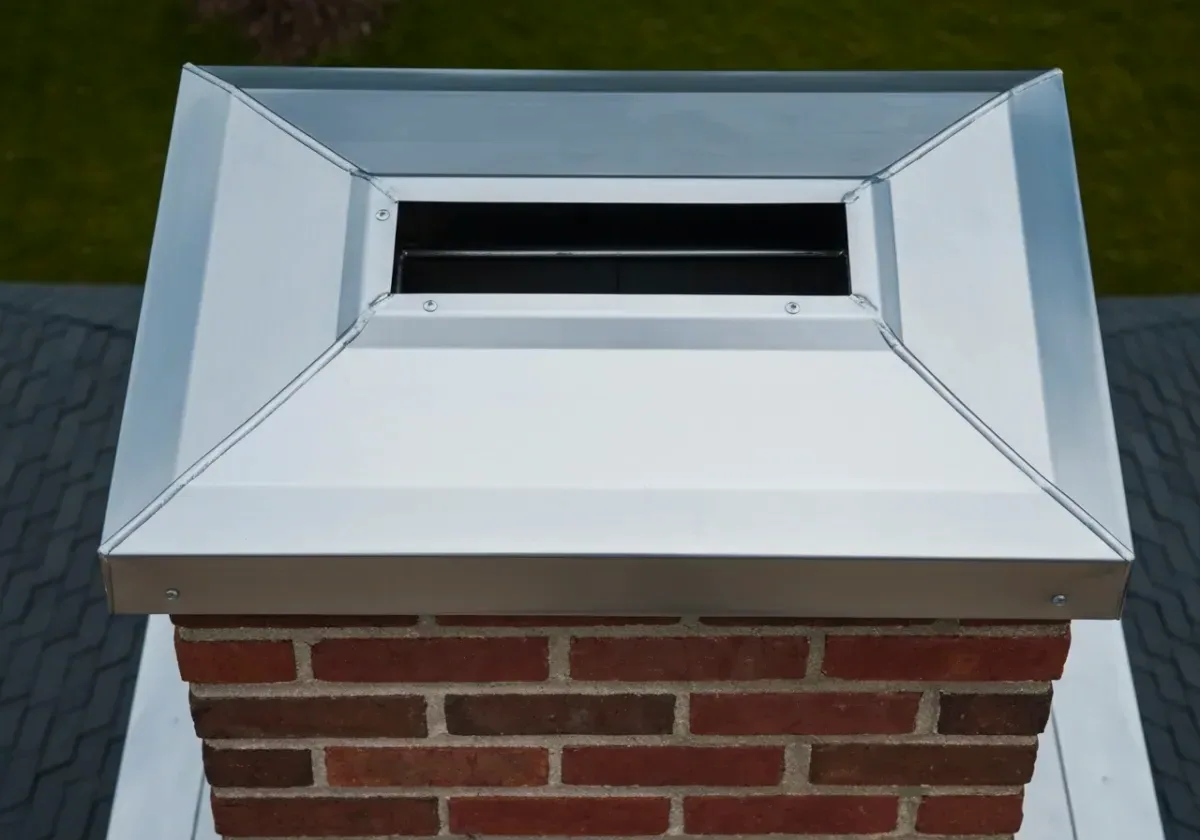
Illustrations of what each repair changes on a typical chimney — not photos of a specific job.
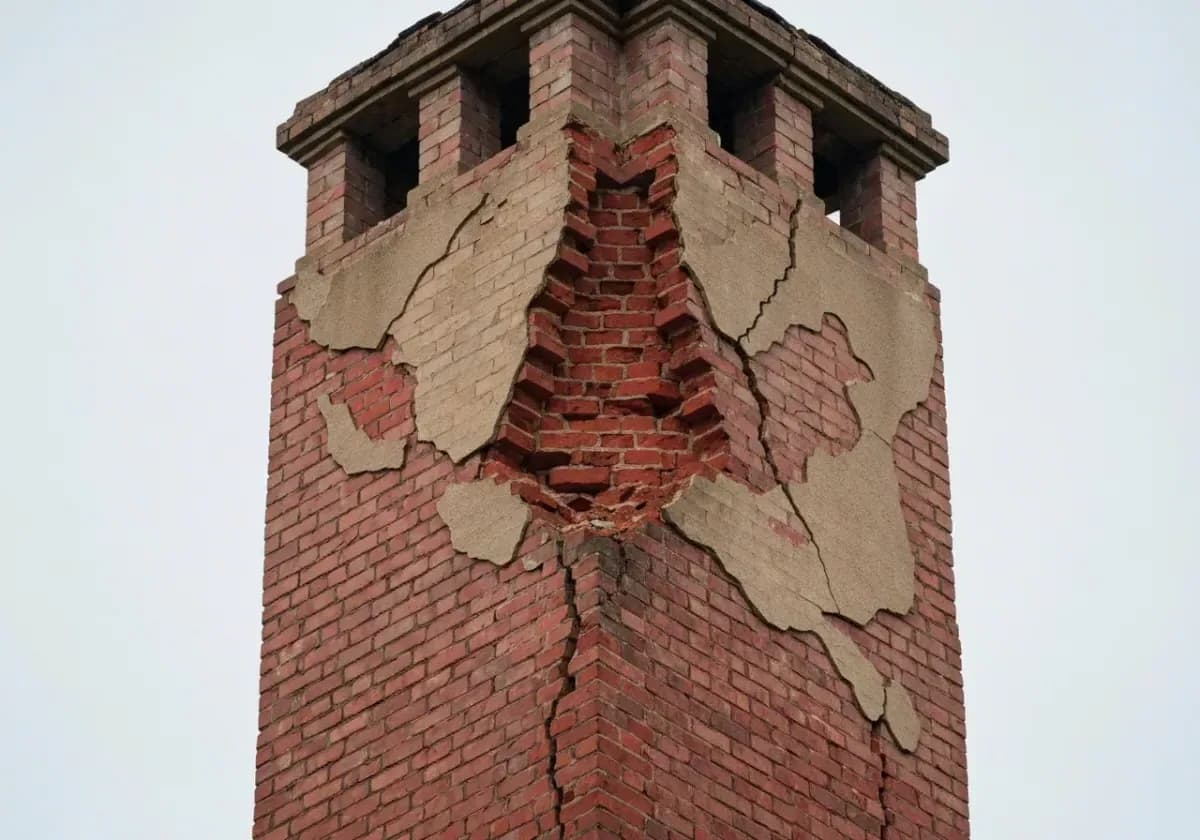 Before
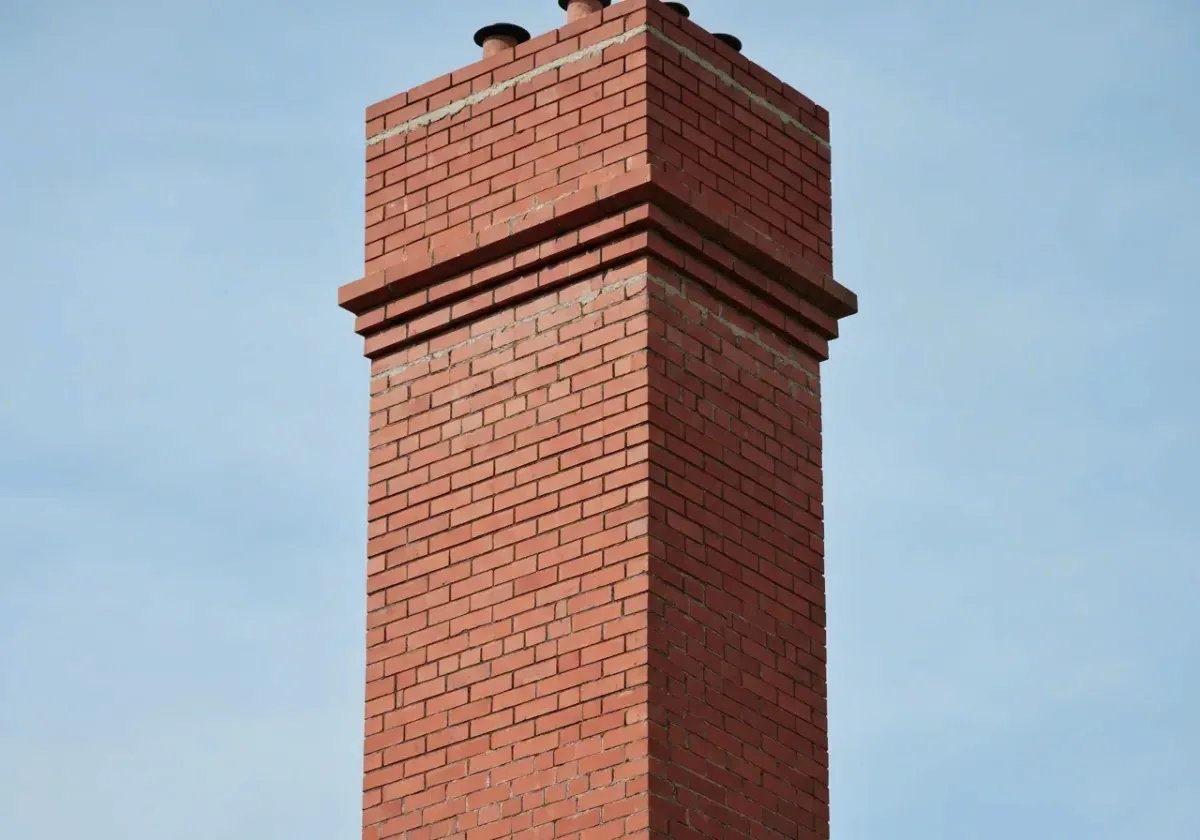 After
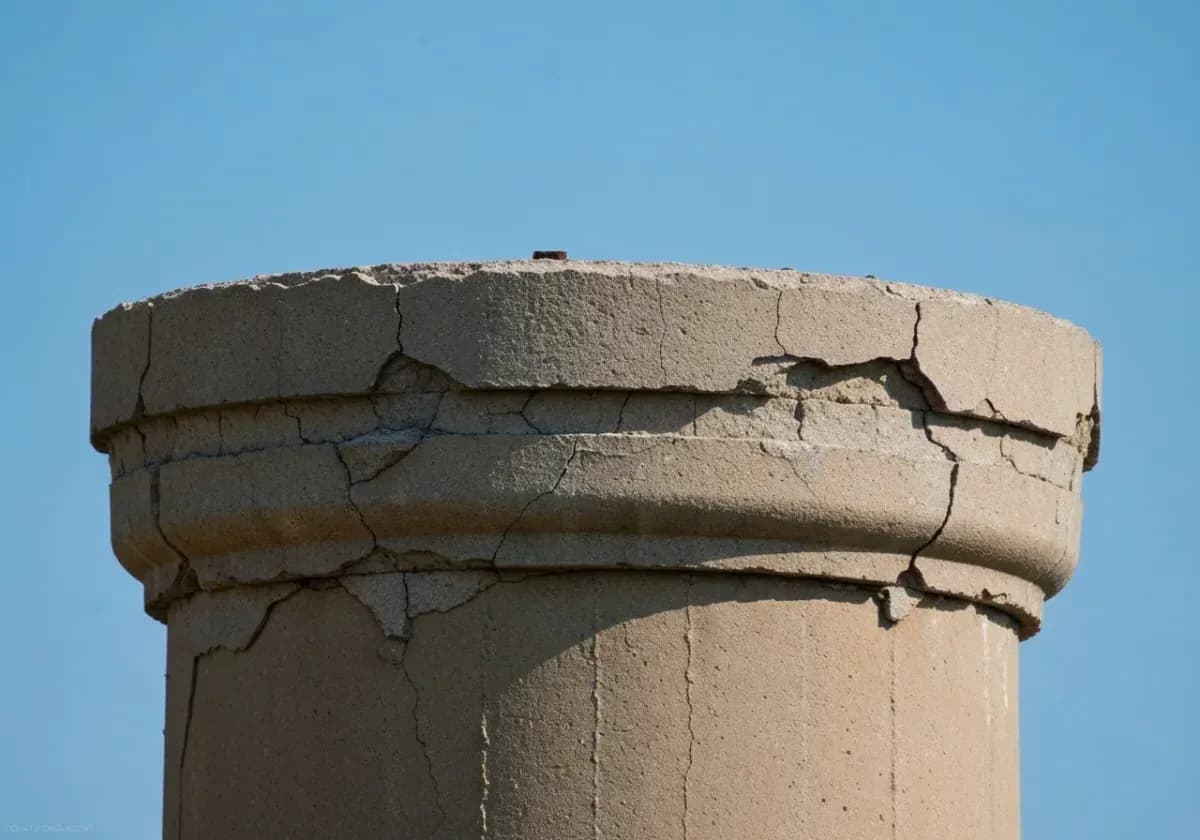 Before
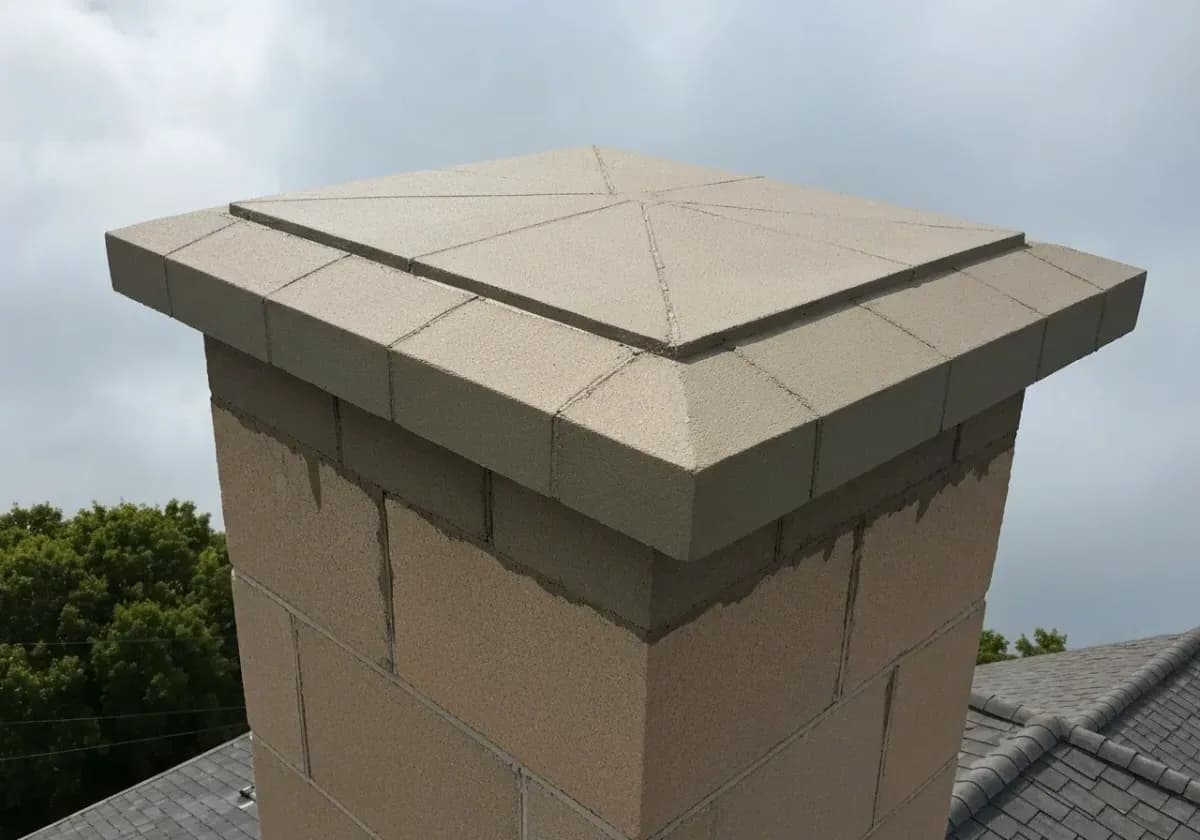 After
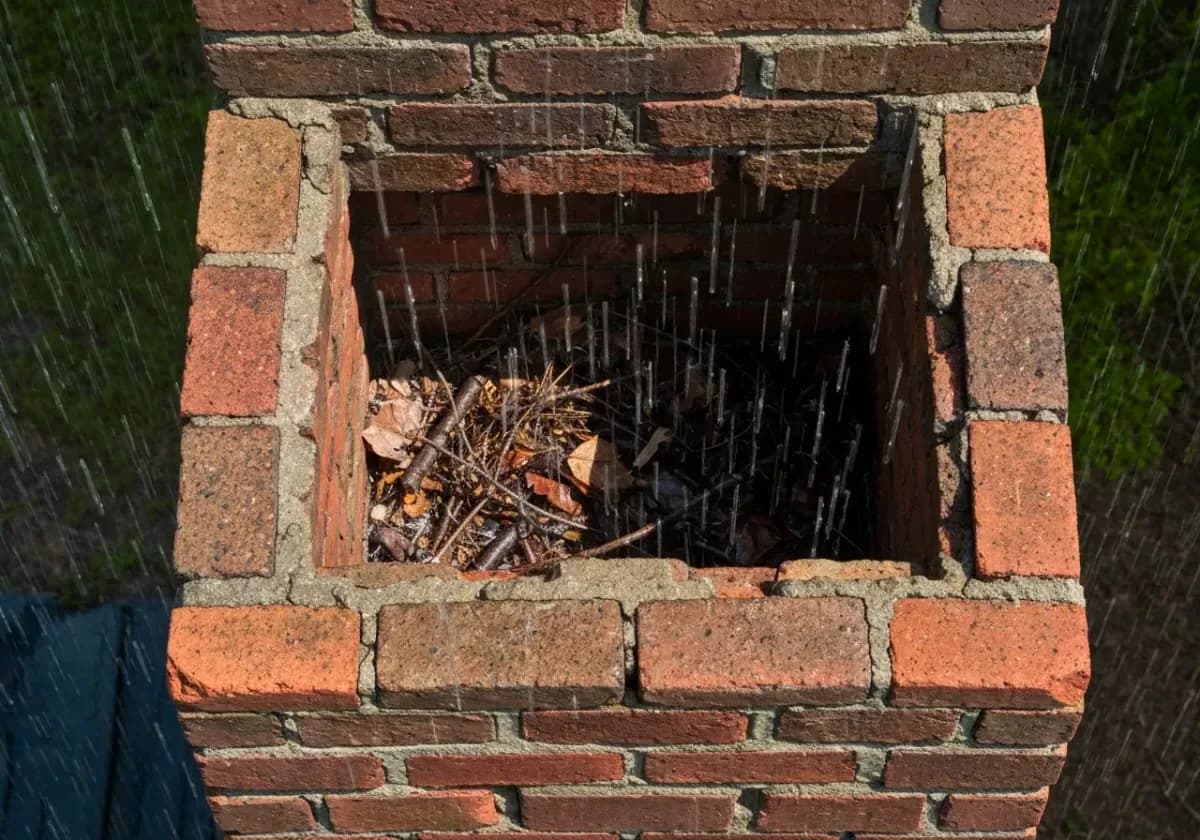 Before
 After

Four steps, each one on paper — so you always know what happens next.
Choose a genuine opening on the crew's calendar. Confirmation is immediate.
Liner, crown, cap, flashing and masonry examined in order — each finding photographed.
One document, plain numbers, covering only the work your chimney genuinely needs.
The repair is completed, then handed over with before-and-after photos of every item.
Yes, and in Meadowbrook and the other parts of the city. Homes on unincorporated land nearby, toward Fall City for example, are served too; their permits come from King County instead of the city.
Yes. Snoqualmie lies inside the territory, all of King County, where air quality burn bans come from one regional body, the Puget Sound Clean Air Agency. Fire-safety bans in summer have another author, the county fire marshal.
The city's hazard annex gives winter minimum average daily temperatures of 32.6°F to 36.7°F since 1931 and says snow falls most years but seldom stays long. It also recalls a 2018/2019 event with several feet of snow that took about a week to clear.
$99 plus tax, per chimney, for the inspection. If our written quote gets your approval, the fee is deducted from it; on a refusal the charge stands.
Choose a genuine opening on the crew's calendar. We inspect, quote in writing, and hand over a photo record of every repair.