Snoqualmie, King County
Creosote removal in Snoqualmie starts at $245. The price depends on what the deposit has become. Loose, flaky soot comes off with brushes. A tarry layer needs rotary tools. Hard, shiny glaze, the third stage, calls for a chemical treatment and more than one pass, and sits at the upper end. We tell you which stage you have, and show it on camera, before quoting.
Typical investment
From $245
Book an inspection
Book your $99 inspection
$99 plus tax, deducted when you approve the repair
Not sure where to start
Pick what you're seeing at your Snoqualmie home — we'll point you to the right fix.
What we do
The same crew, the same written quote — for Snoqualmie homes.
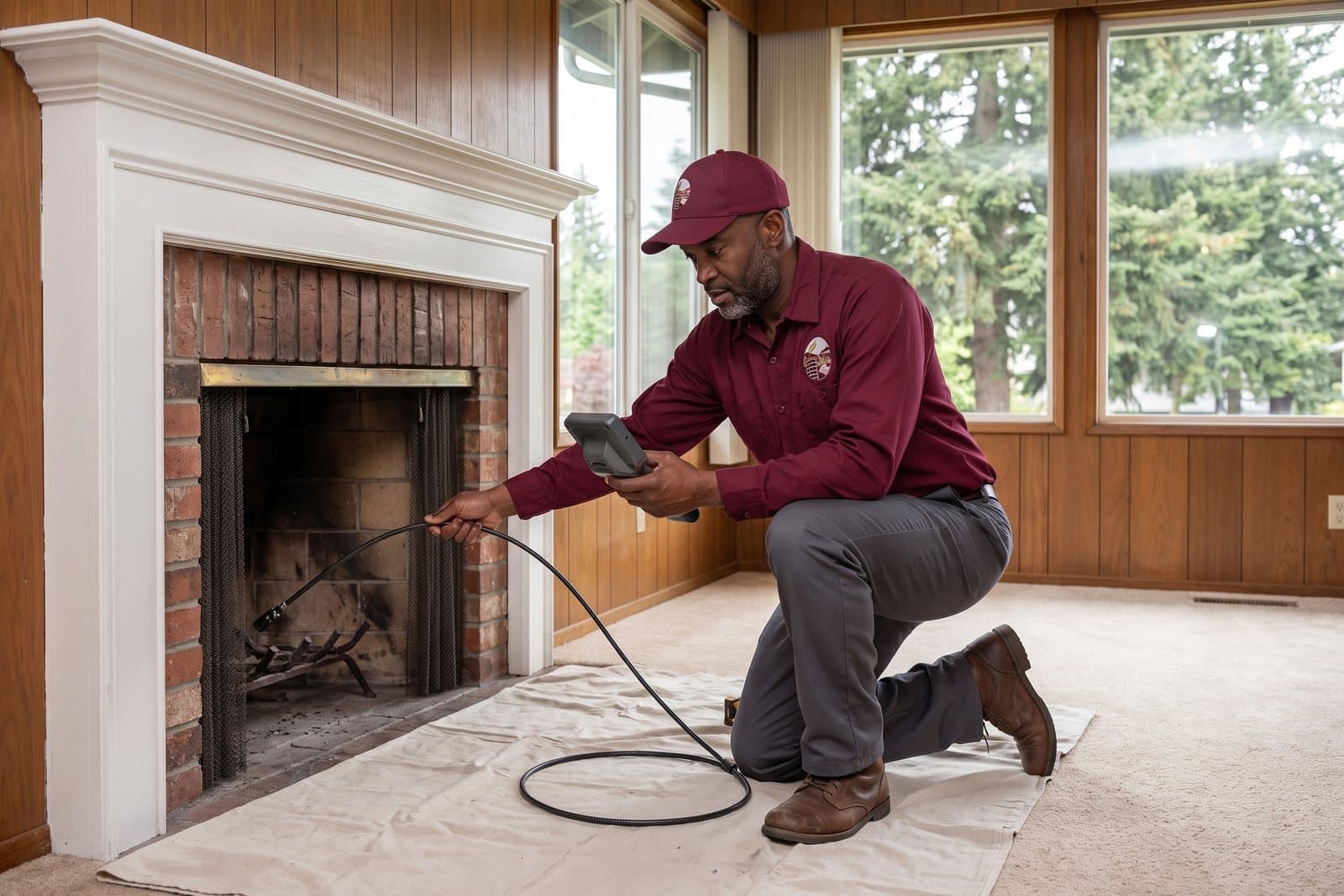
Level 1 review of the accessible parts, stepped up to a Level 2 camera pass when those parts cannot settle the question
Learn more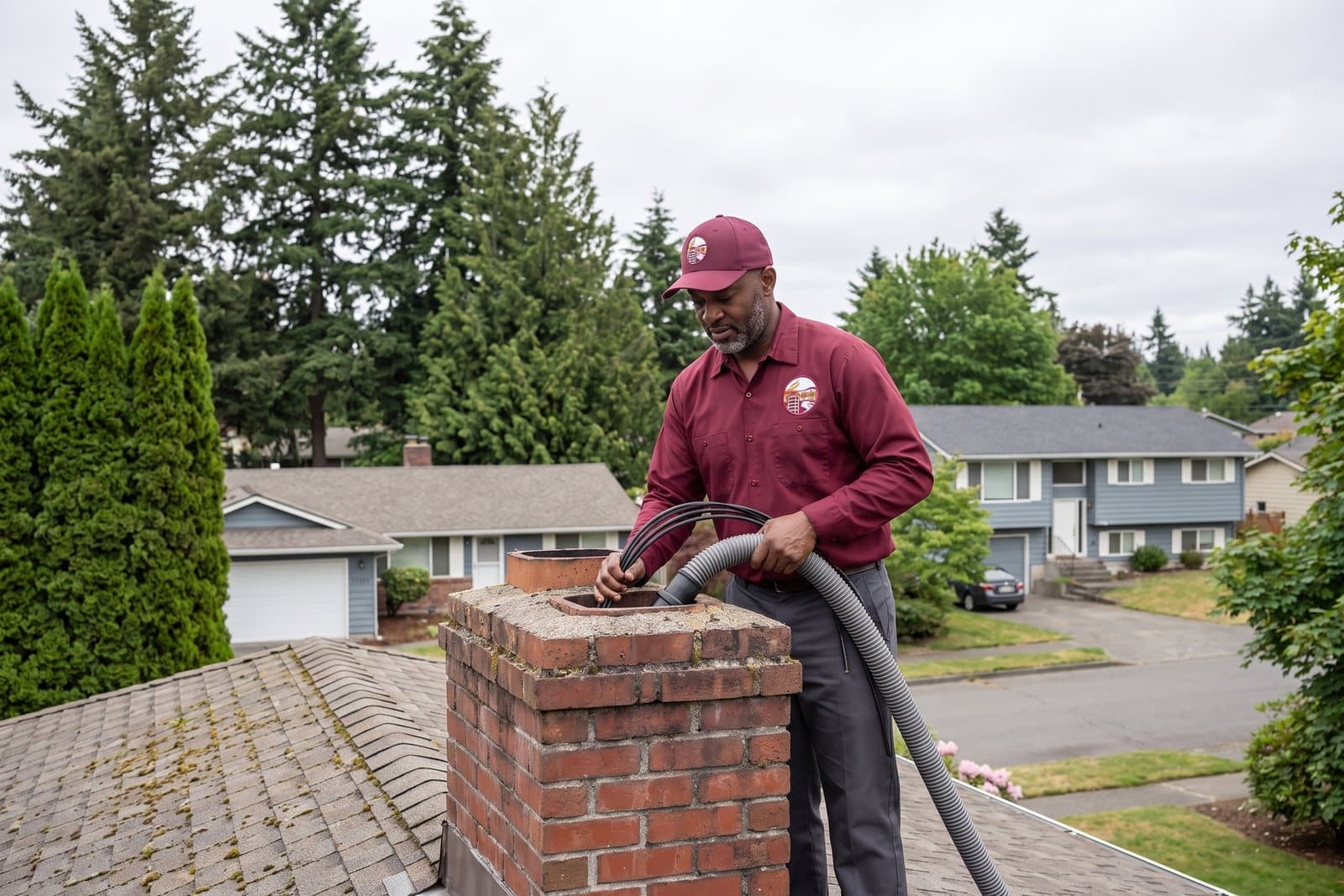
The flue brushed along its full height with heads chosen for its shape and material
Learn more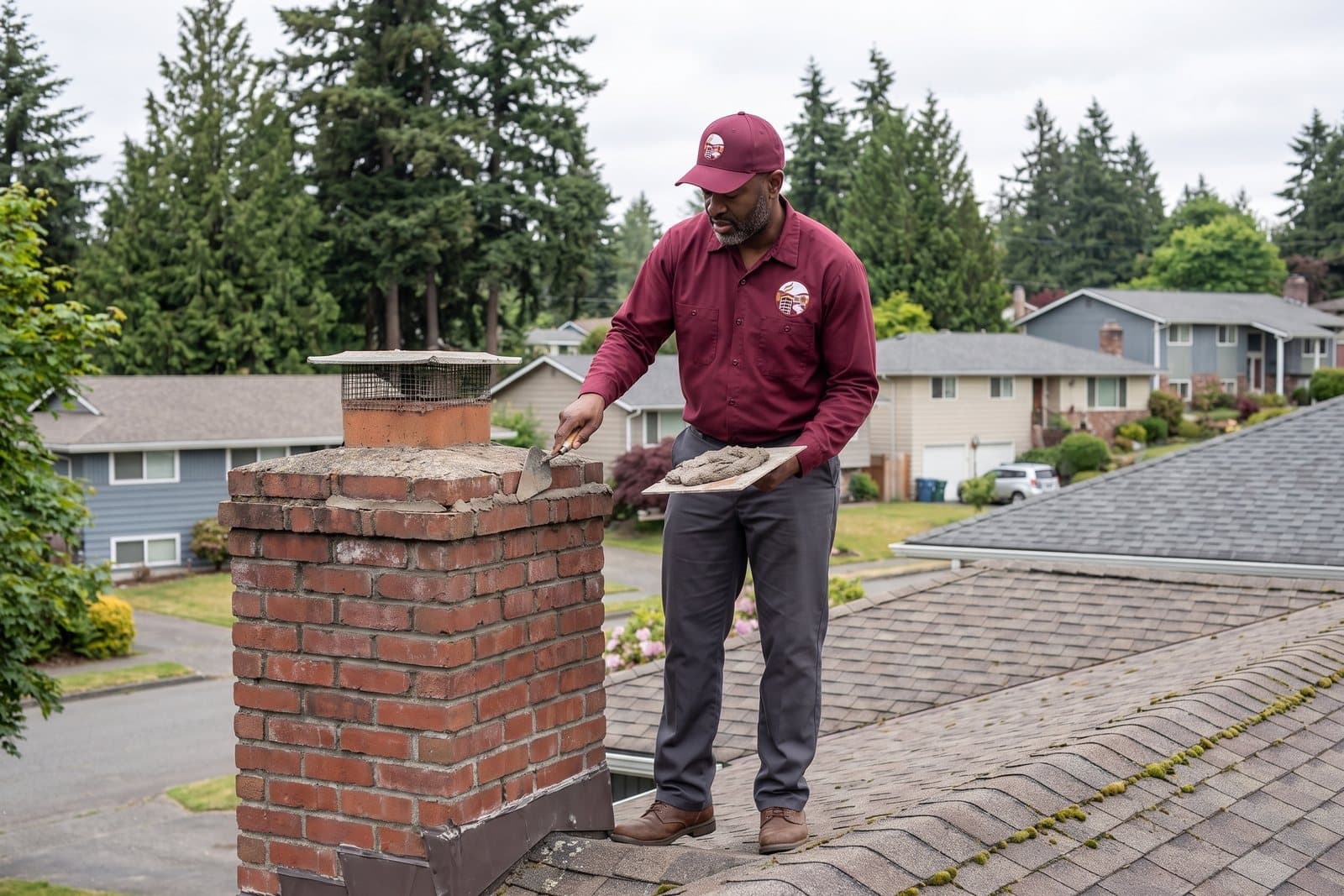
An assessment in photos that tells weathering apart from structural failure
Learn more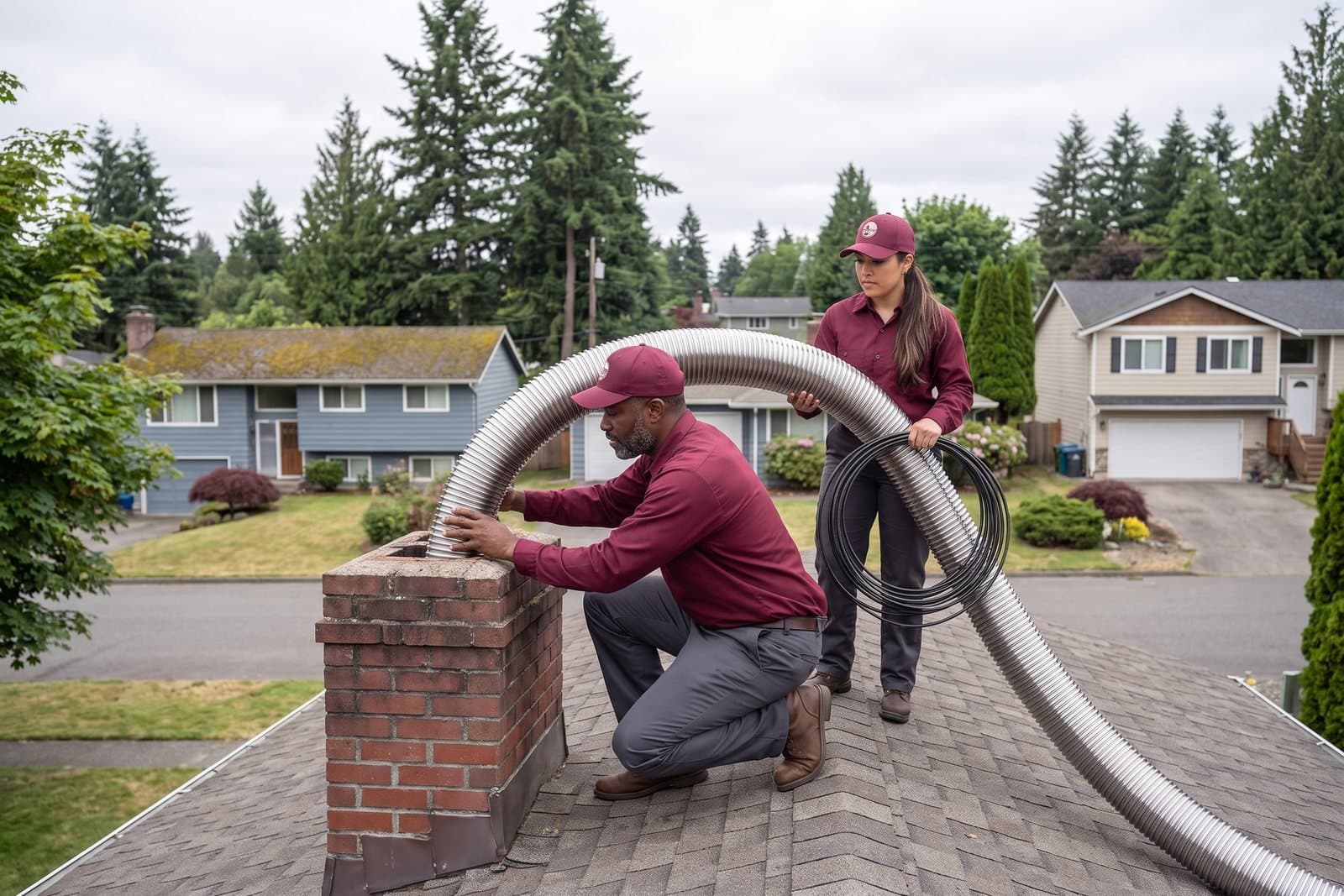
Video scan and measurement of the flue before a liner is specified
Learn more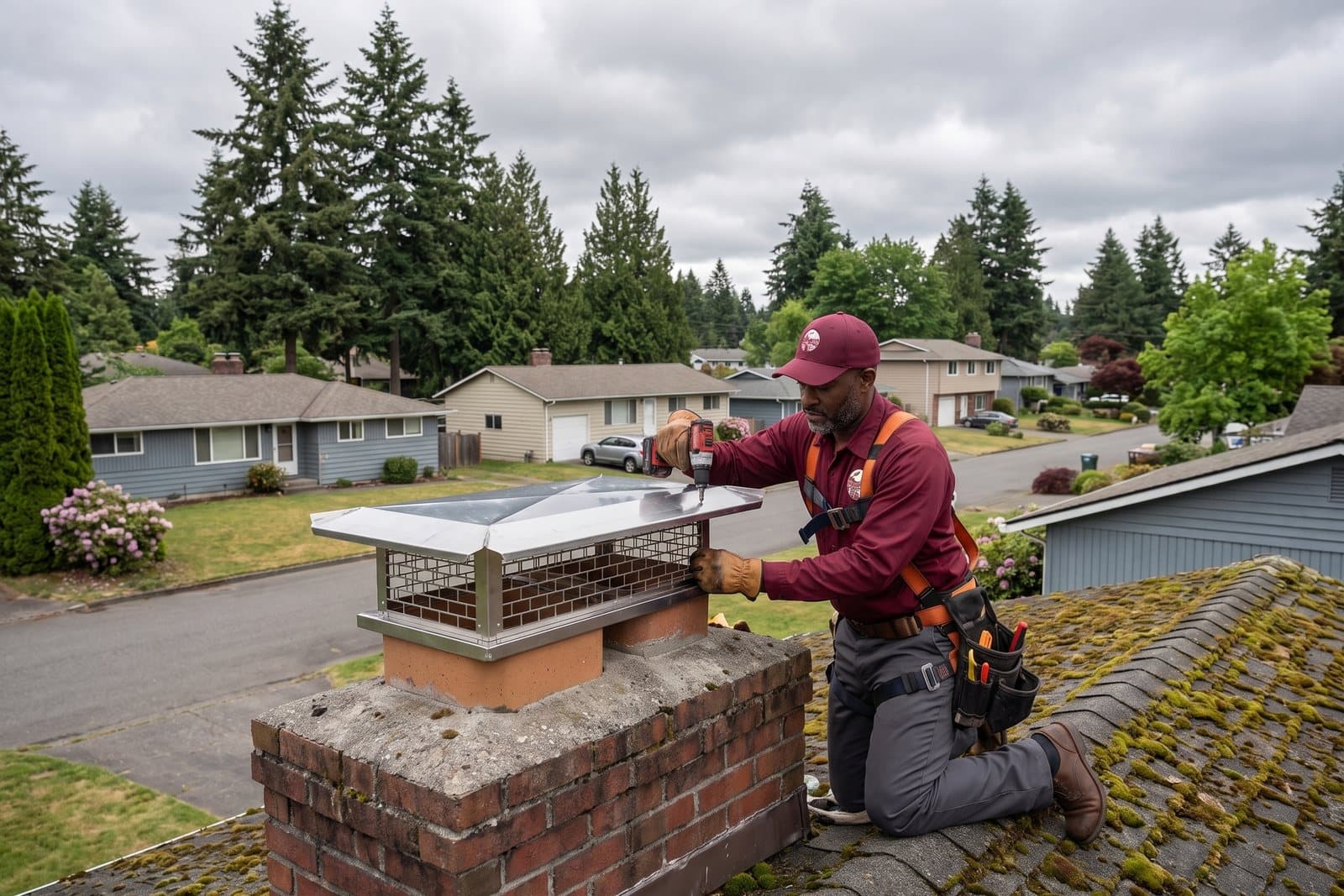
Each flue measured, or the whole crown when one cap will cover several flues
Learn more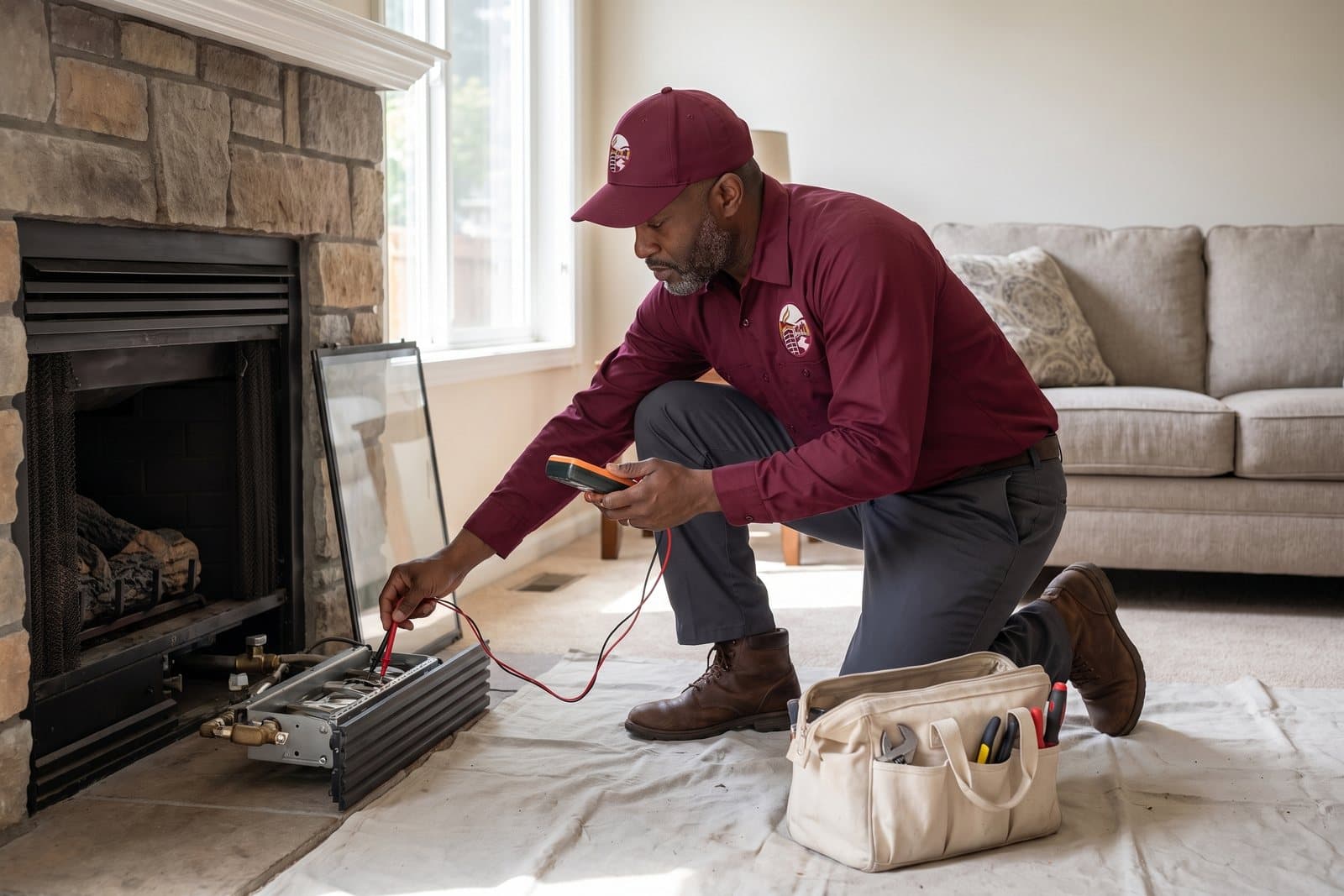
Burner, pilot assembly and igniter cleaned and tested
Learn moreRanges shown for orientation — the exact figure is written up on-site, after the inspection.
Very few Snoqualmie households heat mainly with wood; the Census survey's estimate is close to zero, with a margin of error larger than the number itself. That does not make creosote rare. The survey counts only a home's main fuel, and the fireplace used for atmosphere or the stove kept for outages never appears in it. Occasional burning can be the worst pattern for deposits: short, cool fires in a cold flue, lit with whatever wood is at hand.
Creosote is smoke that cooled before it left the chimney. Snoqualmie's winters favor that. WeatherSpark's model shows a December average high of 44°F and low of 35°F. Humidity is the other ingredient: around 87 percent at 4 a.m. in January across western Washington, per the Western Regional Climate Center.
A flue that starts cold and damp takes longer to warm, so the first part of every fire deposits more. Firewood left out in the wet smolders instead of burning hot, which adds to it. The annex's two-thirds of yearly precipitation between mid-October and late February covers nearly the whole burning season. Removing the buildup is half of the answer. Dry fuel and a hot, brief start to each fire are the other half.
Every creosote removal we do in Snoqualmie includes:
Smoke coming back into the room, or a smell that won't go? Book the inspection first.
Book nowFuel quality is the part an owner controls. Under regional air rules the only legal fuels are manufactured logs and wood that is dry and seasoned, and a chimney breaks the rule when its smoke exceeds 20 percent opacity through six straight minutes of any hour. Thick smoke is unburned fuel, and unburned fuel is what condenses on the flue wall. Wood stacked uncovered through a foothills winter does not stay seasoned. Covered storage with open sides, and a year of drying, do more for a flue than any additive.
A camera and a scratch test show whether the deposit is powder, crust or glaze.
Brushes, rotary heads or a chemical modifier are chosen for the stage found; you see the price for that method.
The flue is cleaned from the top and bottom, with the hearth sealed off and a vacuum running.
The liner is filmed again. If glaze was treated, we book the follow-up that finishes the job.
In September 2026 the State Fire Marshal relayed a U.S. Fire Administration figure: 77 percent of the home heating fires recorded for 2024 had a chimney, flue or fuel burner as their origin. In a chimney, what burns is creosote.
Where that fire happens matters. Snoqualmie's hazard annex says timber and open space surround the city and that red-flag days are growing more frequent. A burning flue throws sparks and hot fragments from its top, onto the roof and toward whatever stands nearby. Taking glaze out of the liner removes the thing that would burn. We also check that the cap's screen is in place, because it is the last barrier at the top.
What this work is quoted at for Snoqualmie homes — the exact figure comes from the $99 on-site inspection, credited toward the work.
| Service | Price in Snoqualmie | What that covers |
|---|---|---|
| Creosote Removal | From $245 | Priced by creosote stage — glazed stage 3 is the heavy end |
| Chimney Sweep | $189–$459 | Full flue swept, Level 1 inspection included |
| Chimney Inspection | $99 plus tax | Level 1 visual; Level 2 adds a full camera scan |
| Chimney Relining | From $1,900 | Full-length stainless liner, sized to the appliance |
| Chimney Repair | From $375 | Masonry repair — brick and mortar, scoped after diagnosis |
Ranges are what these jobs are quoted at in Snoqualmie. The exact figure is set on site after a $99 inspection (credited toward the job if you go ahead), and you approve it before any work starts.
Snoqualmie is a Cascade foothills city on the Snoqualmie River, incorporated in 1903, on the Snoqualmie River, with homes from two periods, about three in four built between 2000 and 2019 and a small group dating from before 1940. We work every part of it — Historic Snoqualmie, Snoqualmie Ridge, Meadowbrook included.
SnoqualmieKing County, WA · 47.529, -121.825
Before and after
Illustrations of what each repair changes on a typical chimney — not photos of a specific job.
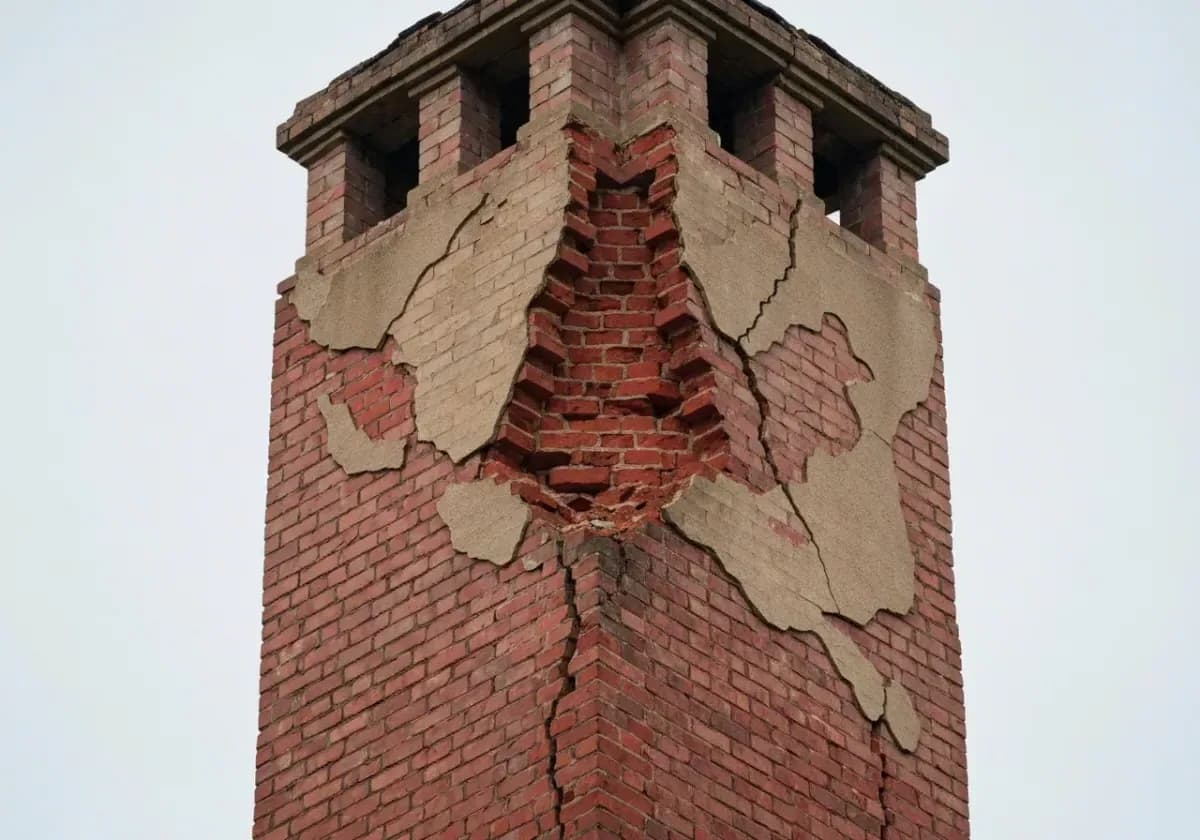 Before
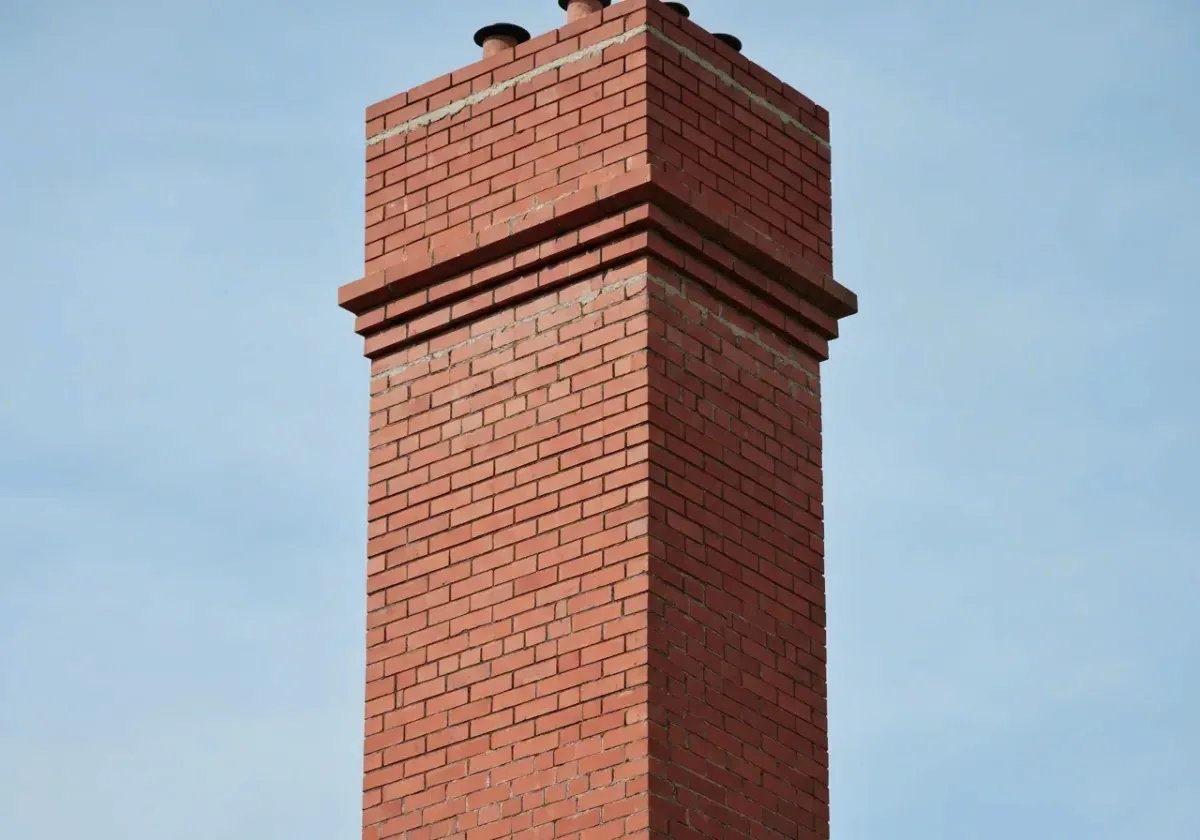 After
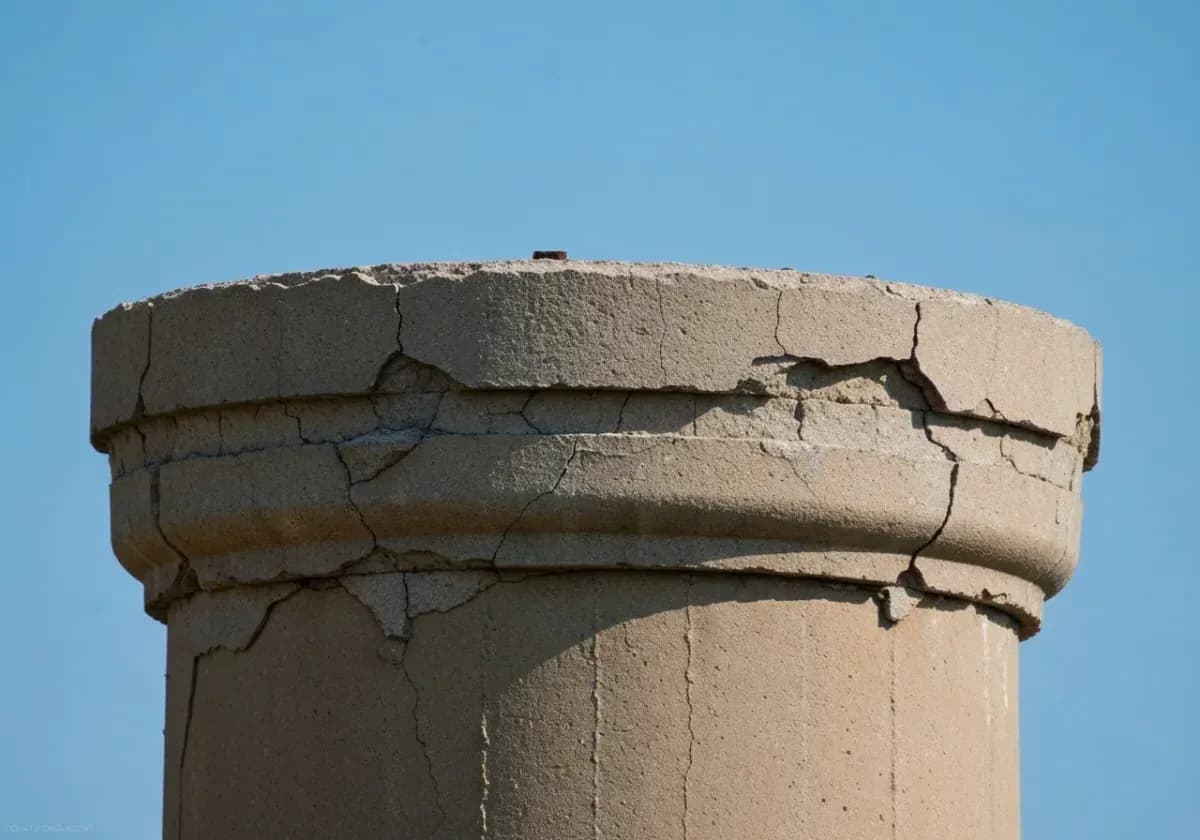 Before
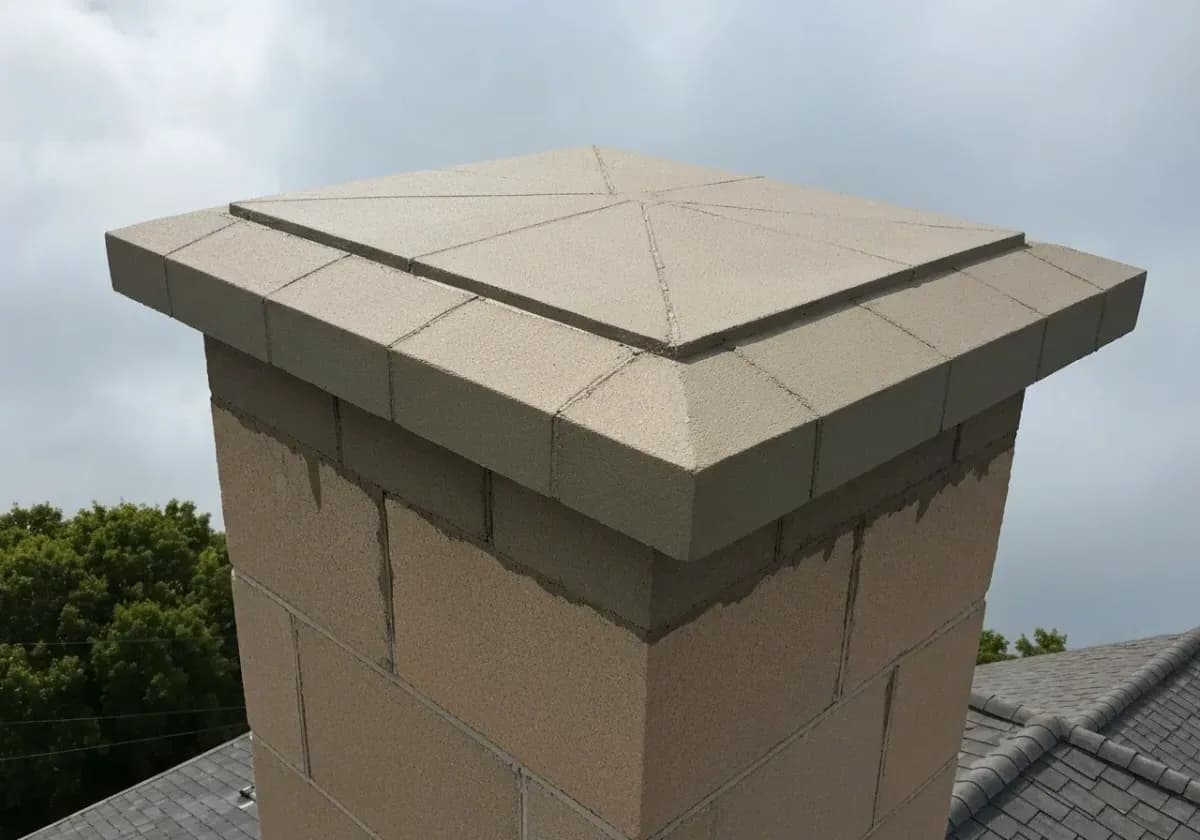 After
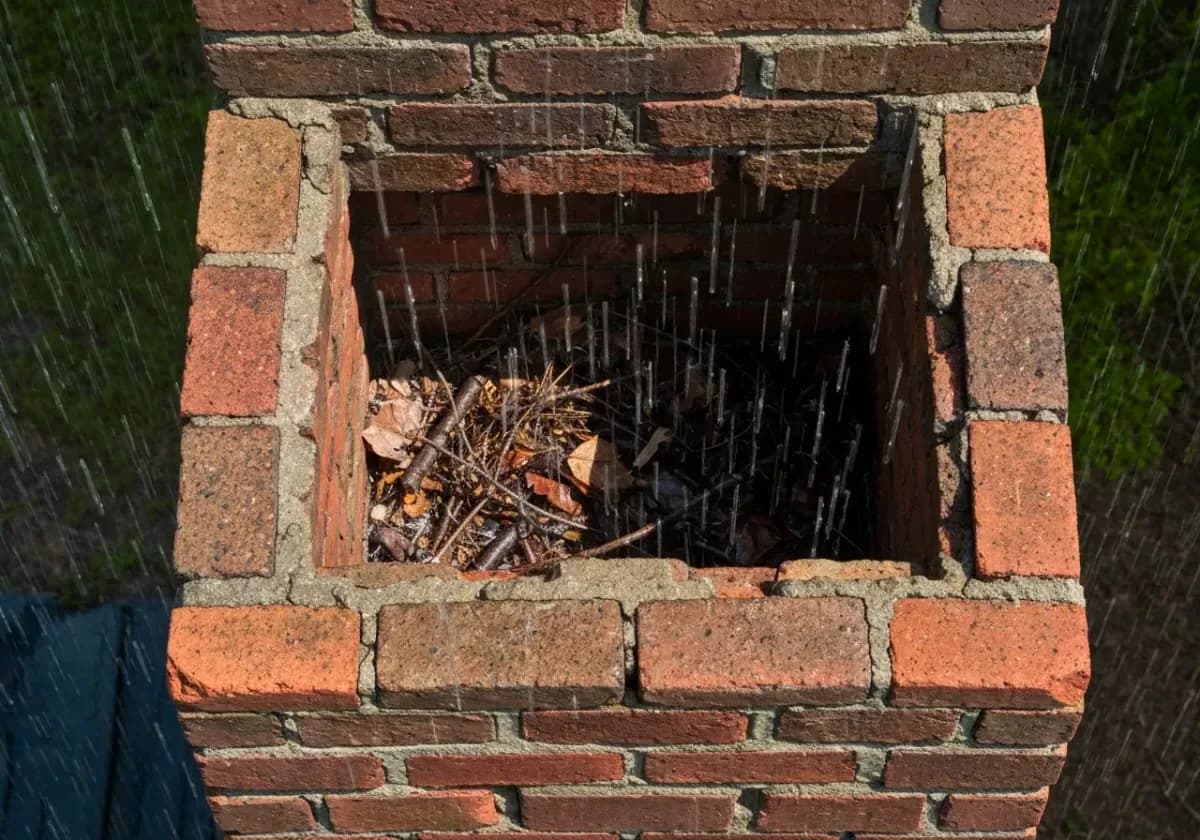 Before
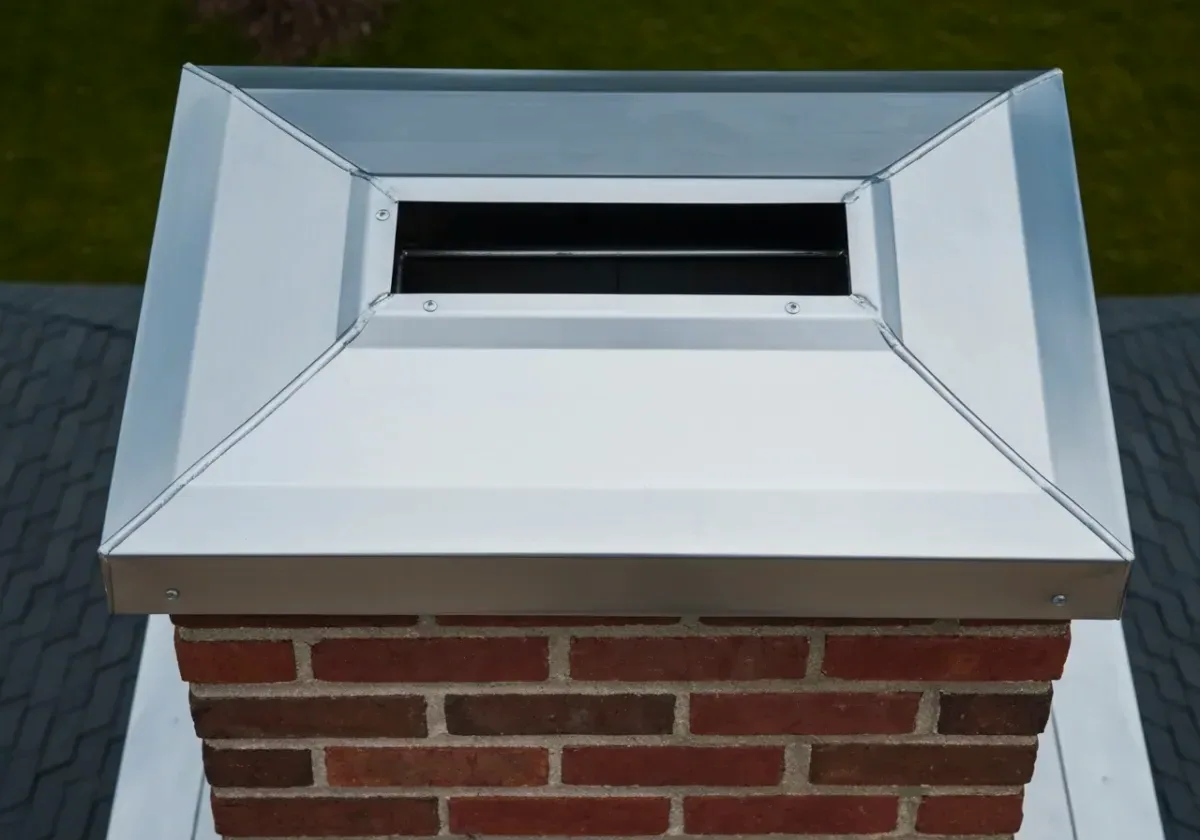 After

Four steps, each one on paper — so you always know what happens next.
Choose a genuine opening on the crew's calendar. Confirmation is immediate.
Liner, crown, cap, flashing and masonry examined in order — each finding photographed.
One document, plain numbers, covering only the work your chimney genuinely needs.
The repair is completed, then handed over with before-and-after photos of every item.
A sweep handles ordinary soot. Creosote removal is for deposits a standard brush cannot shift: hardened layers and glaze that need powered tools or chemistry, and sometimes two visits.
CSIA advises sweeping a masonry fireplace when sooty deposits reach 1/8 inch, and sooner whenever glaze is present. Glaze of any thickness is our threshold for removal.
Yes. You pay $99 plus tax for the inspection, and that amount is taken off the removal quote when you approve it.
A $99 on-site inspection, a written quote before any work, and photos of every item we touch.